Suburban Event Tech Setup business idea for 2026
Want more practical business ideas for the US market?
👉 Follow us on Facebook for daily ideas and tips.
👉 Save ideas on Pinterest — or get them by email.
Turn idea into action
Calculate a business plan for this idea
Log in to generate a plan from this idea. We will reuse the article's niche and context; you only add your market location.
Log in to calculateThe Suburban Event Tech Opportunity for 2026
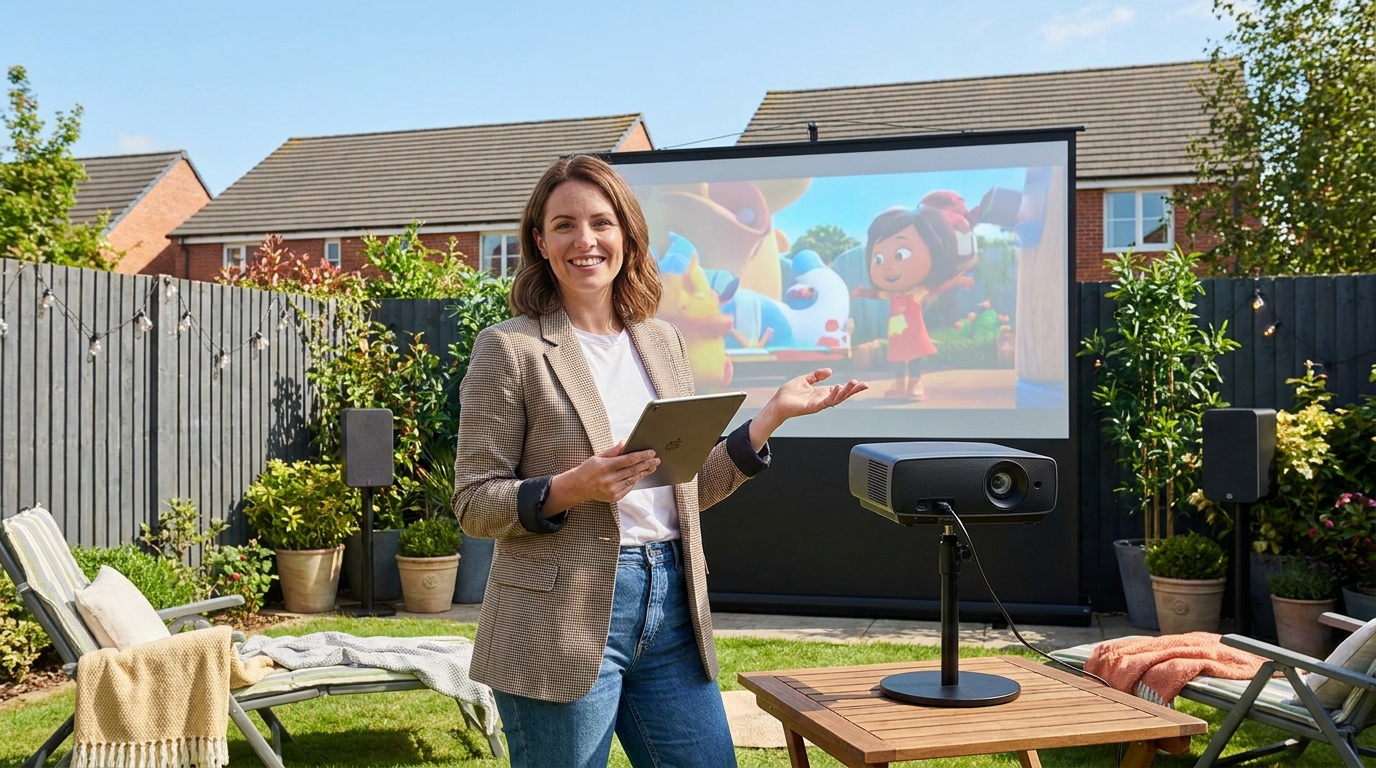
The landscape of events is shifting, creating a unique and lucrative business idea for 2026: Suburban Event Tech Setup. As more individuals and small businesses opt for intimate gatherings, backyard parties, community events, and small corporate meetings in homes or local venues, the demand for professional, yet affordable, technical assistance is skyrocketing. These hosts often possess the vision for their event but lack the expertise, equipment, or time to properly set up audio, visual, and connectivity systems. This niche targets the vast and often underserved suburban market across the United States, offering a specialized service that bridges the gap between DIY efforts and expensive full-scale event production companies. The opportunity lies in providing reliable, easy-to-understand tech solutions that ensure seamless execution for any small-to-medium-sized event, making you the go-to expert in your local community.
What Services Will You Offer?
Your core offerings will revolve around the setup, operation, and basic troubleshooting of essential event technology. This includes comprehensive audio-visual solutions: setting up and optimizing sound systems for clear speech and music, configuring projectors and screens for presentations or video playback, and ensuring all components integrate seamlessly. You'll handle microphone setups, speaker placement for optimal sound distribution, and source device connections (laptops, media players). Beyond AV, a critical service will be connectivity support. Many suburban venues or homes may have patchy Wi-Fi, making reliable internet crucial for modern events. You can offer services like setting up Wi-Fi extenders, creating temporary robust networks, or troubleshooting existing internet issues to ensure stable connections for streaming, online presentations, or guest access. Additionally, basic lighting setup for ambiance or presentation focus could be a valuable add-on. Crucially, your service is about professional setup and on-site support, not just equipment rental, providing peace of mind to hosts.
Why This Business Idea Works Now
Several converging trends make the Suburban Event Tech Setup business idea particularly viable for 2026. Firstly, the post-pandemic shift has normalized smaller, localized gatherings, with many preferring the comfort and cost-effectiveness of hosting at home or in local community centers rather than large, expensive venues. Secondly, while technology is ubiquitous, its proper setup and integration for events remain a challenge for most non-technical individuals. Hosts might own a projector or a Bluetooth speaker, but struggle with connectivity issues, sound quality, or display configuration when multiple devices are involved. Thirdly, existing large-scale AV production companies are often too expensive and over-resourced for these smaller events, leaving a significant gap in the market. Your business fills this void by offering specialized, professional, and appropriately priced services tailored to the suburban need. The rise of hybrid work models also means more small corporate meetings are happening in non-traditional spaces, requiring reliable tech without a dedicated IT team. Finally, the convenience factor for busy hosts is immense; they value a service that handles the technical complexities, allowing them to focus on their guests and the event itself.
Getting Started: Essential Gear & Low Startup Costs
One of the most appealing aspects of this business idea is its relatively low startup cost, allowing for a lean launch. You can begin with essential, versatile equipment and scale up as demand grows. Here's a breakdown of typical gear and estimated costs in USD:
- Portable PA System: A good quality, easy-to-set-up system with two speakers, a mixer, and microphones (wired and wireless). Expect to spend $800 - $2,000. Brands like Behringer, JBL, or Electro-Voice offer solid options.
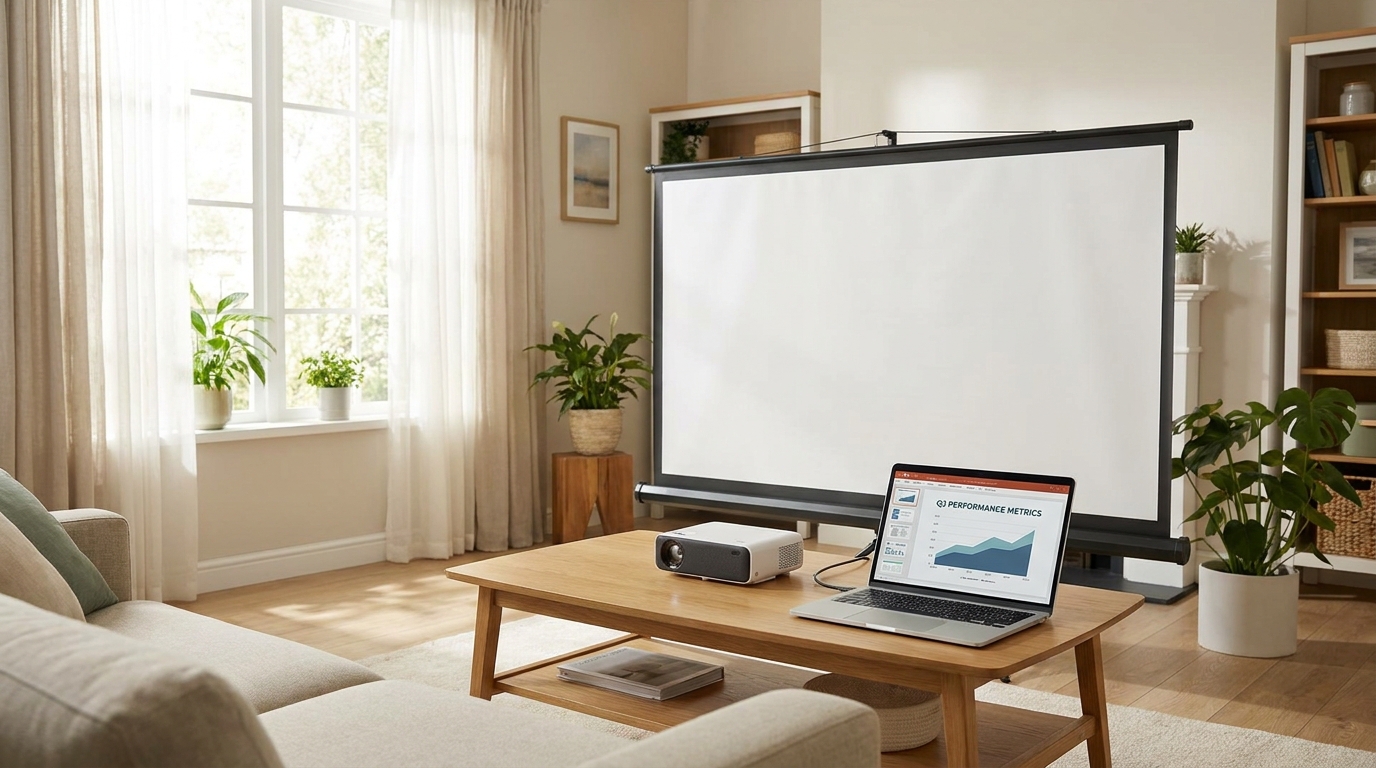
- Projector & Portable Screen: A bright (3000+ lumens) projector suitable for various lighting conditions and an 80-100 inch portable screen. Budget $500 - $1,500.
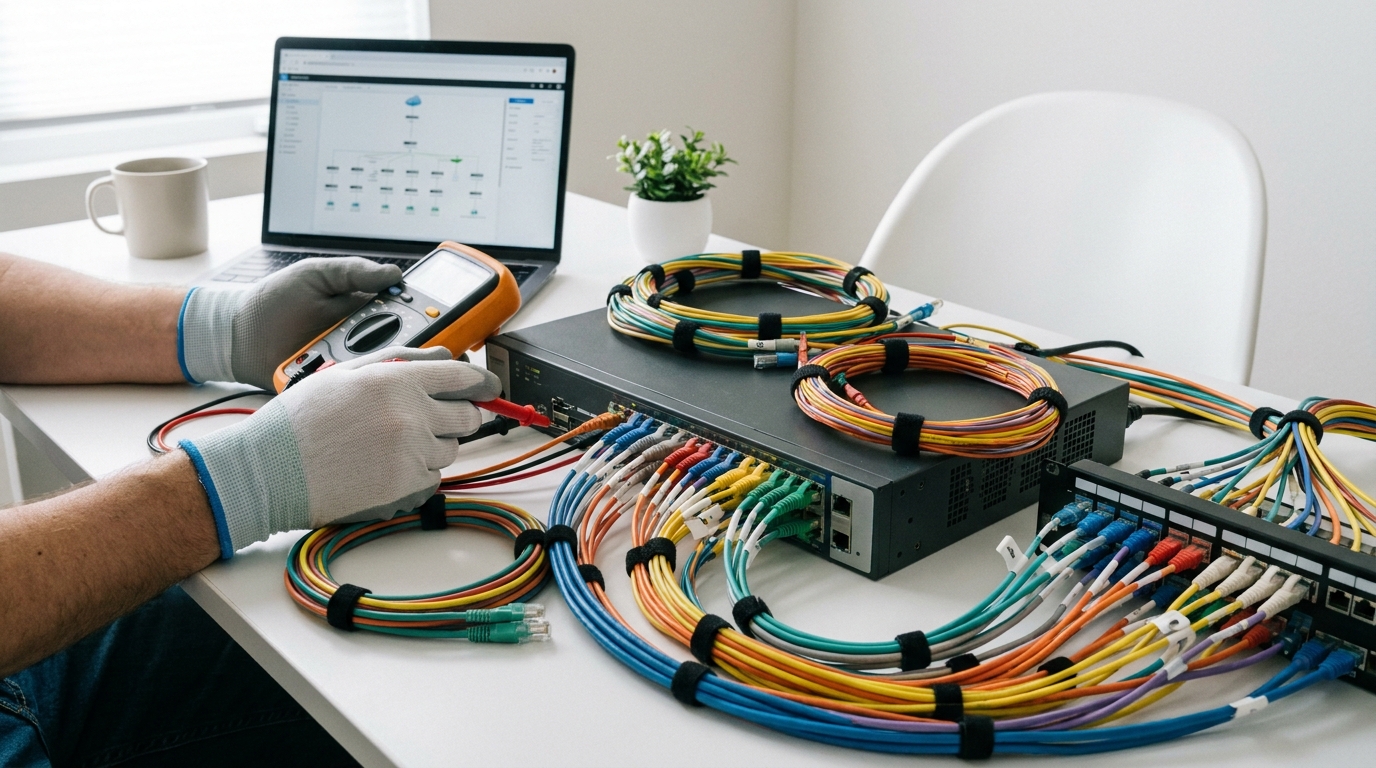
- Connectivity Kit: A reliable Wi-Fi extender/mesh system, a portable hotspot (if local internet is unavailable), various Ethernet cables, and adapters. Approximately $200 - $500.
- Cables & Adapters: HDMI, VGA, XLR, RCA, 3.5mm audio cables, power strips, extension cords, and various adapters (USB-C to HDMI, etc.). Essential for compatibility. Budget $150 - $300.
- Basic Tools & Accessories: Cable ties, gaffer tape, multi-tool, small step ladder, labeling machine, and a reliable transport cart or cases. Around $100 - $250.
- Laptop/Tablet: For testing, media playback, and managing settings. You likely already own one. If not, budget $300 - $800 for a capable model.
Beyond equipment, consider business registration (e.g., LLC or Sole Proprietorship, $50-$500 depending on state), general liability insurance ($300-$600 annually), and a simple website/online presence ($50-$200 for domain and hosting). Your total initial investment could range from approximately $2,400 to $6,150, making it highly accessible for many aspiring entrepreneurs.
Your First 14 Days: Launching & Operations
The first two weeks are crucial for laying a solid foundation. Day 1-3 should focus on legal and administrative setup: registering your business entity with your state, obtaining an EIN from the IRS, and securing essential business insurance. Simultaneously, begin setting up your online presence. A simple, professional website or even a strong profile on platforms like Google Business Profile and Yelp is vital. Day 4-7 should be dedicated to equipment acquisition and mastery. Purchase your core gear and spend time becoming intimately familiar with every piece. Practice setup and teardown routines repeatedly, timing yourself and identifying potential bottlenecks. Create a checklist for every event type. Day 8-10 involves defining your service packages and pricing structure. Clearly outline what each package includes and its cost. Develop basic marketing materials like digital flyers or social media templates. Day 11-14 focuses on initial outreach. Inform friends, family, and local contacts about your new service. Reach out to local community centers, small event venues, and neighborhood associations to introduce your offerings. Consider a soft launch or a free setup for a local non-profit event to build your portfolio and gather testimonials.
How to Secure Your First Three Clients
Getting those initial clients is about targeted outreach and demonstrating value. Here's a practical approach:
- Leverage Local Social Media & Community Groups: Post on neighborhood Facebook groups, Nextdoor, and local online forums. Offer an introductory discount or a free consultation for the first few bookings. Highlight common pain points you solve (e.g.,
Want more practical business ideas for the US market?
👉 Follow us on Facebook for daily ideas and tips.
👉 Save ideas on Pinterest — or get them by email.
Note: Comments are being moderated and may take a while to appear. There is no need to resubmit your comment.