Eco-Conscious Discard Consultant business idea for 2026
Want more practical business ideas for the US market?
👉 Follow us on Facebook for daily ideas and tips.
👉 Save ideas on Pinterest — or get them by email.
Turn idea into action
Calculate a business plan for this idea
Log in to generate a plan from this idea. We will reuse the article's niche and context; you only add your market location.
Log in to calculateIn an era defined by increasing environmental awareness and the pressing need for sustainable living, a unique entrepreneurial opportunity emerges for 2026: the Eco-Conscious Discard Consultant. This innovative business idea addresses a growing challenge faced by countless individuals and families across the United States. As homes accumulate items over years, the task of responsibly disposing of unwanted goods becomes increasingly complex. Traditional methods often lead to landfills, even for items that could be recycled, repurposed, or donated. People want to do the right thing for the planet but are frequently overwhelmed by the sheer volume of information, the lack of time, and the fragmented nature of local disposal options. This is where the Eco-Conscious Discard Consultant steps in, offering expert guidance and practical solutions to navigate the often-confusing landscape of sustainable waste management. It's a solo venture poised for significant growth, driven by evolving consumer values and stricter local regulations.
What Does an Eco-Conscious Discard Consultant Do?
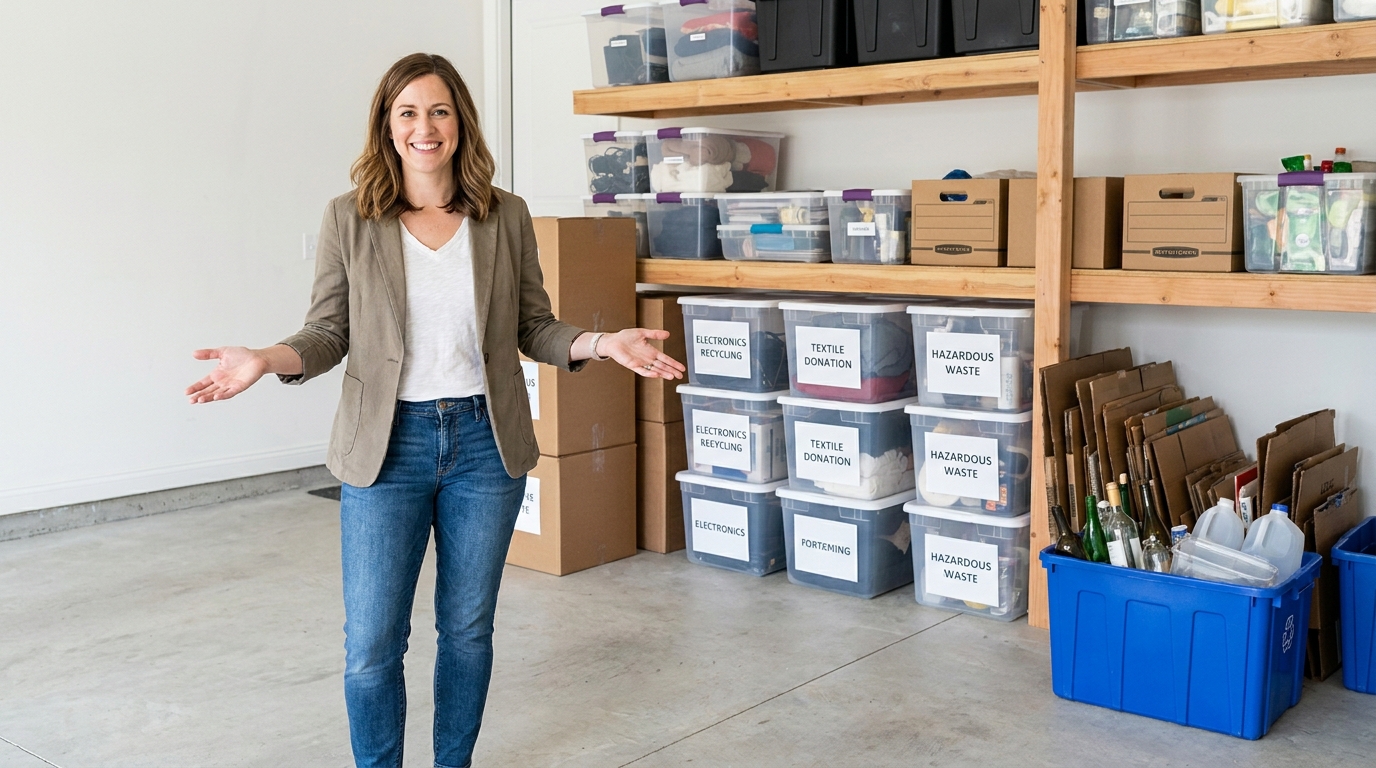
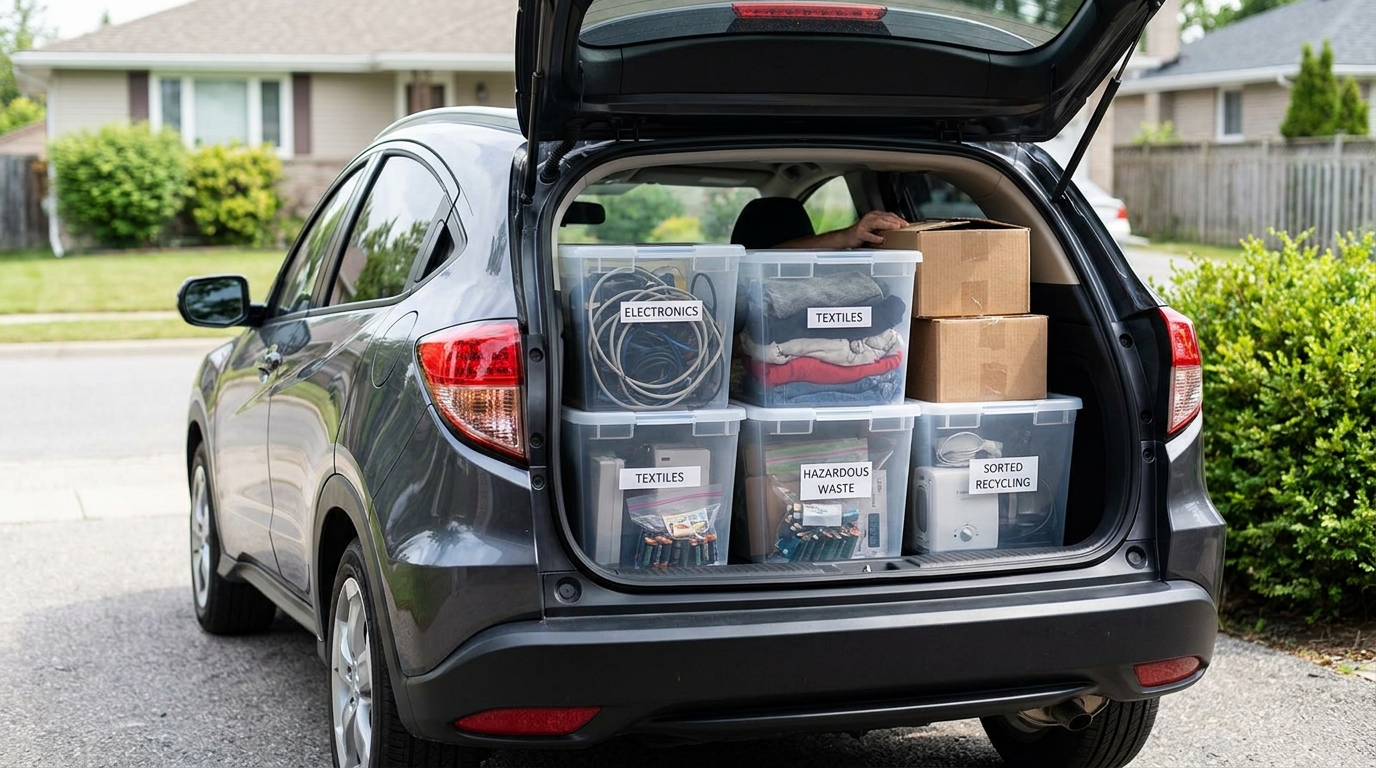
An Eco-Conscious Discard Consultant acts as a personalized guide for clients seeking to declutter their homes responsibly. Your primary role involves assessing a client's unwanted items, researching the most environmentally sound disposal methods, and coordinating the logistics to ensure proper handling. This isn't just about hauling away junk; it's about providing an informed, sustainable strategy. For instance, you might identify furniture suitable for donation to a local Habitat for Humanity ReStore, electronics that require specialized e-waste recycling through county programs, or old paint and chemicals that need to be taken to a hazardous waste collection event. You would connect clients with reputable local charities like Goodwill or Salvation Army for clothing and household goods, or specialized recyclers for items like batteries, light bulbs, or scrap metal. For items beyond donation or standard recycling, you would research and recommend ethical disposal services. Beyond the practical coordination, you also educate clients on sustainable consumption habits and future waste reduction strategies, empowering them to make more eco-conscious decisions moving forward. Your service provides peace of mind, saves clients time, and ensures their discards contribute positively to the community and the environment.
Startup Costs and Essential Tools
Launching an Eco-Conscious Discard Consultant business can be remarkably lean, making it an accessible solo venture. Initial startup costs are relatively low, typically ranging from $500 to $2,000 USD. The primary investment is in establishing your professional presence and ensuring operational readiness. Key expenses include:

Business Registration and Legal Fees: Depending on your state and chosen business structure (e.g., sole proprietorship, LLC), expect to spend $50-$500 for state and local business licenses. Consult with a local attorney or small business advisor to ensure compliance.
Liability Insurance: Essential for protecting yourself and your clients. General liability insurance typically costs $300-$600 per year, safeguarding against potential damages or accidents during client visits.
Online Presence: A professional website or a strong presence on platforms like LinkedIn and Google My Business is crucial. A simple website might cost $100-$300 annually for hosting and domain, or you can start with free profiles. Consider professional email setup for about $5-$10 per month.
Marketing Materials: Basic digital business cards, flyers, or social media templates can be created affordably using tools like Canva. Budget $50-$200 for initial design and printing if desired.
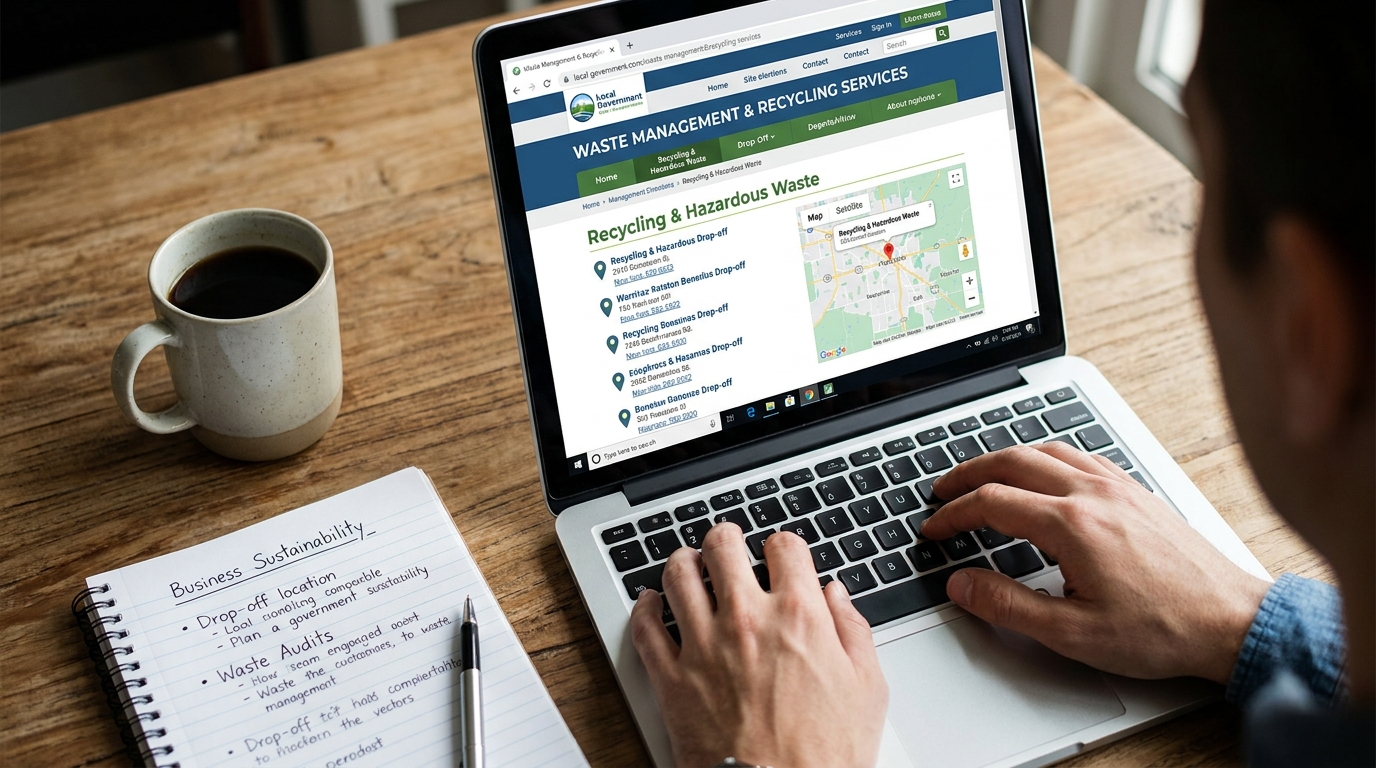
Research Tools: Reliable internet access and a smartphone are your primary research tools for identifying local recycling centers, donation points, and hazardous waste facilities. Subscription to local waste management directories or databases might be beneficial but often free resources suffice.
Transportation: You'll need reliable transportation to visit clients and potentially transport smaller items. Factor in fuel costs and vehicle maintenance. While not a direct startup cost, it's an ongoing operational expense.
Essential tools are largely digital: a reliable computer, smartphone, internet access, and organizational software (e.g., Trello, Google Workspace) for client management and research. You might also invest in basic personal protective equipment (gloves, masks) for handling certain items, costing under $50.
Your First 14 Days: Launching Your Service
The initial two weeks are critical for laying a solid foundation for your Eco-Conscious Discard Consultant business.
Days 1-3: Foundation & Legalities. Solidify your business name and register it with your state. Obtain any necessary local permits or licenses. Research and secure general liability insurance. Open a dedicated business bank account to keep finances separate from personal accounts. Draft a simple service agreement outlining your terms, scope of work, and client responsibilities.
Days 4-7: Digital Footprint & Research Hub. Create your Google My Business profile, ensuring all contact information, services, and operating hours are accurate. Set up a professional LinkedIn profile highlighting your new venture. Begin compiling a comprehensive local resource database: identify all nearby recycling centers, donation charities (e.g., Goodwill, Salvation Army, local food banks for non-perishables), specialized e-waste drop-offs, hazardous waste collection sites, and reputable junk removal services in your target area. Organize this information efficiently for quick client reference.
Days 8-10: Service Design & Pricing. Define your core service packages (e.g., "Basic Research & Plan," "Full Coordination & Logistics," "Hazardous Waste Only"). Develop a clear pricing structure for each, considering hourly rates and project-based fees. Create simple, compelling service descriptions and a basic Frequently Asked Questions (FAQ) section for your future clients.
Days 11-14: Initial Outreach & Feedback. Announce your new business to your personal network (friends, family, former colleagues) on social media. Offer a special "pilot program" discount for your first few clients in exchange for testimonials and feedback. Attend a local community meeting or join relevant online groups (e.g., Nextdoor, local Facebook groups) to introduce yourself and your service. Prepare a concise elevator pitch describing what you do and the value you provide. This period is about building momentum and refining your offerings based on early interactions.
Attracting Your First Three Clients
Securing your initial clients is crucial for building momentum and credibility. Focus on direct, targeted outreach and leveraging your immediate network.
Leverage Your Network: Start by reaching out to friends, family, and acquaintances. They are often your most supportive first clients and can provide invaluable testimonials. Offer a discounted rate for these initial projects in exchange for honest feedback and a willingness to share their positive experience with others. A personal referral is incredibly powerful.
Community Group Engagement: Join local online community groups on platforms like Nextdoor and Facebook. Many residents post about decluttering, moving, or disposing of difficult items. Position yourself as a helpful expert, offering general advice initially before gently introducing your services. For example, respond to a post about old electronics by saying, "Many people struggle with e-waste! Did you know our county has a specialized drop-off? I help families navigate these options."
Strategic Partnerships: Connect with professionals who encounter clients needing your services. Real estate agents often work with sellers who need to declutter before listing their homes. Professional organizers help clients sort items but might not specialize in the disposal logistics. Estate sale companies and senior move managers frequently handle large volumes of unwanted items. Offer them a referral fee or a reciprocal referral arrangement. Schedule introductory meetings to explain your unique value proposition.
Pilot Program Offer: Announce a limited-time "Eco-Conscious Home Cleanout Pilot Program" with a special introductory rate for the first few clients. This creates urgency and provides a low-barrier entry point for potential customers who are curious but hesitant. Clearly state what's included and what you expect in return (e.g., a detailed testimonial, a before-and-after photo with permission).
Remember, your first clients are not just revenue sources; they are your early evangelists and provide the social proof needed to attract more business.
Pricing Your Services for Profit
Determining your pricing strategy requires balancing your value, market rates, and profitability. For an Eco-Conscious Discard Consultant, several models can work effectively. It's crucial to position yourself as a specialist providing a premium, time-saving, and environmentally responsible service.
Hourly Rate: A common starting point for consulting services. Depending on your local market, experience, and the complexity of the task, hourly rates can range from $50 to $100+ USD. This model is suitable for clients needing specific research, consultation, or light coordination. Clearly define what's included in the hourly rate (e.g., research time, phone calls, travel within a certain radius).
Project-Based Fees: For larger, more defined tasks like a full home decluttering plan or an estate cleanout, a flat project fee provides transparency and predictability for clients. After an initial assessment (which might be a small flat fee or free consultation), you can quote a project fee. For example, a small apartment discard plan might be $300-$500, while a multi-room or entire home project could range from $800 to $2,500+, depending on the volume of items, research required, and logistical coordination.
Package Deals: Offer tiered service packages to cater to different client needs and budgets.
Basic Research Package: You provide a detailed report of local disposal options for a client's specific list of items. (e.g., $150-$350)
Coordination Package: Includes basic research plus scheduling donation pickups, arranging e-waste drop-offs, and providing detailed instructions. (e.g., $400-$1,000)
Full Service Package: Comprehensive research, coordination, and on-site assistance for sorting, labeling, and preparing items for transport (excluding actual hauling, which clients typically arrange or you outsource). (e.g., $700-$2,000+)
Value-Based Pricing: Emphasize the tangible and intangible value you provide: saving clients dozens of hours of research and coordination, preventing items from ending up in landfills, and offering peace of mind. This allows you to justify higher prices than a simple "junk removal" service.
Always provide clear, written quotes, and consider a deposit for larger projects. Regularly review your pricing to ensure it reflects your value and market demand.
Marketing Your Eco-Consulting Business
Effective marketing for your Eco-Conscious Discard Consultant business focuses on reaching individuals and families in the US who value sustainability but lack the time or knowledge for proper disposal. A multi-channel approach will yield the best results.
Local SEO and Online Directories: Optimize your Google My Business profile with relevant keywords like "eco-friendly junk removal," "sustainable decluttering," "hazardous waste disposal help," and your city/state. List your business on local online directories such as Yelp, Angi (formerly Angie's List), and local chamber of commerce websites. Encourage clients to leave reviews.
Social Media Engagement: Utilize platforms like Facebook and Instagram. Share success stories (with client permission), before-and-after photos of organized spaces, and educational content about local recycling initiatives or the impact of proper disposal. Run targeted local ads on Facebook to reach demographics interested in home organization, sustainability, or downsizing.
Content Marketing: Start a simple blog on your website. Write articles on topics like "How to Recycle Electronics in [Your City]," "Sustainable Ways to Declutter Your Home," or "Understanding Hazardous Waste in Your Household." This positions you as an expert and improves your search engine ranking.
Community Workshops and Presentations: Offer free or low-cost workshops at local community centers, libraries, senior centers, or homeowner association meetings. Topics could include "Demystifying Your Recycling Bin" or "Sustainable Spring Cleaning." These are excellent opportunities to showcase your expertise and attract potential clients face-to-face.
Strategic Partnerships (Expanded): Beyond real estate agents and professional organizers, consider collaborating with home staging companies, moving services, and even local eco-friendly product retailers. Cross-promotion can be mutually beneficial. Offer a "referral bonus" to partners for every client they send your way.
Local Print and Flyers: Don't underestimate the power of local advertising. Place flyers in community bulletin boards, local coffee shops, health food stores, or senior living facilities. Consider a small ad in community newspapers or newsletters that target your demographic.
Consistently communicate your unique value proposition: you save time, reduce stress, and ensure items are handled with environmental integrity.
Scaling Your Impact and Income
Once your Eco-Conscious Discard Consultant business is established, consider strategies to expand your reach and revenue while maintaining your core values.
Expand Service Offerings:
Small Business Waste Audits: Apply your expertise to local small businesses, helping them optimize their waste streams and comply with commercial recycling regulations.
Digital Decluttering: Offer services to organize digital files, photos, and cloud storage, reducing digital waste and improving efficiency.
Pre-Move Discard Planning: Specialize in assisting clients with sustainable decluttering specifically before a major move, often a time when people are most motivated to discard.
Develop Online Resources and Courses: Create downloadable guides, e-books, or online courses on sustainable decluttering for a passive income stream. This allows you to reach a wider audience beyond your local service area.
Build a Network of Contractors: As demand grows, you might find clients need assistance with the physical hauling of items. Instead of doing it yourself, partner with local, reputable junk removal services, movers, or specialized haulers (e.g., for large appliances, construction debris). You remain the consultant, overseeing the eco-conscious aspects, while outsourcing the labor.
Franchising or Licensing Model: In the long term, if your methodology proves highly successful and scalable, consider developing a franchise or licensing model to allow other entrepreneurs to operate under your brand in different regions, further amplifying your environmental impact and income.
Niche Specialization: Deepen your expertise in a specific niche, such as senior downsizing (which often involves sensitive item disposal), specialized art/antique consignment, or complex hazardous material management (requiring additional certifications). This can position you as the go-to expert in a high-value segment.
Scaling your Eco-Conscious Discard Consultant business means continually identifying new ways to deliver value, whether through broader services, educational content, or strategic partnerships, all while upholding your commitment to environmental responsibility.
Want more practical business ideas for the US market?
👉 Follow us on Facebook for daily ideas and tips.
👉 Save ideas on Pinterest — or get them by email.
Note: Comments are being moderated and may take a while to appear. There is no need to resubmit your comment.