Home battery enclosure cleaning business idea for 2026
Want more practical business ideas for the US market?
👉 Follow us on Facebook for daily ideas and tips.
👉 Save ideas on Pinterest — or get them by email.
Turn idea into action
Calculate a business plan for this idea
Log in to generate a plan from this idea. We will reuse the article's niche and context; you only add your market location.
Log in to calculateThe Rise of Home Energy Maintenance
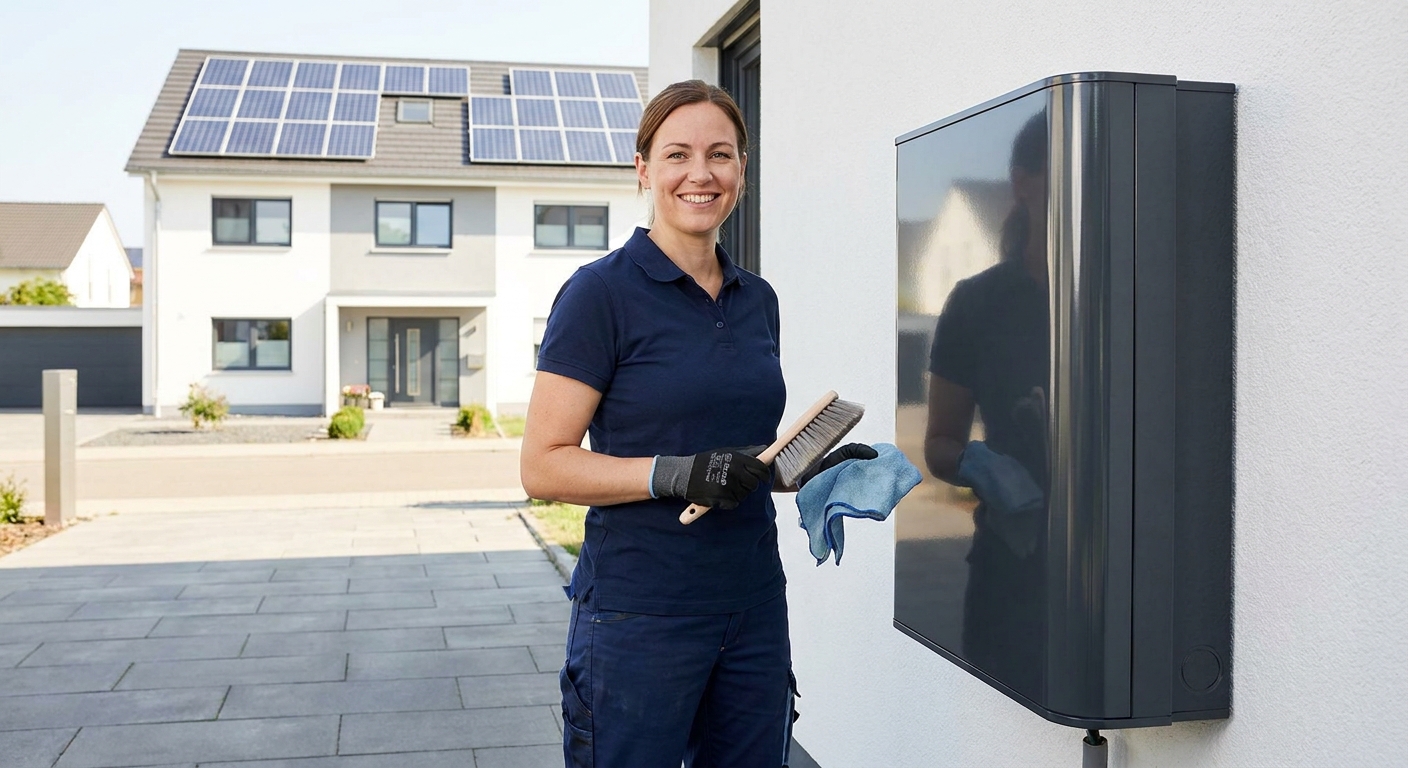
As homes across the United States increasingly adopt renewable energy solutions and electric vehicle (EV) technology, a new frontier in home maintenance is emerging. This shift brings with it a unique and timely business idea for 2026: specialized cleaning and light maintenance for home battery enclosures and EV charging stations. Suburban neighborhoods, in particular, are seeing a proliferation of rooftop solar arrays paired with sophisticated battery storage systems like Tesla Powerwall, Enphase Encharge, and Generac PWRcell. Concurrently, the surge in EV ownership means more homeowners are installing dedicated Level 2 charging stations, often mounted outdoors or in garages.
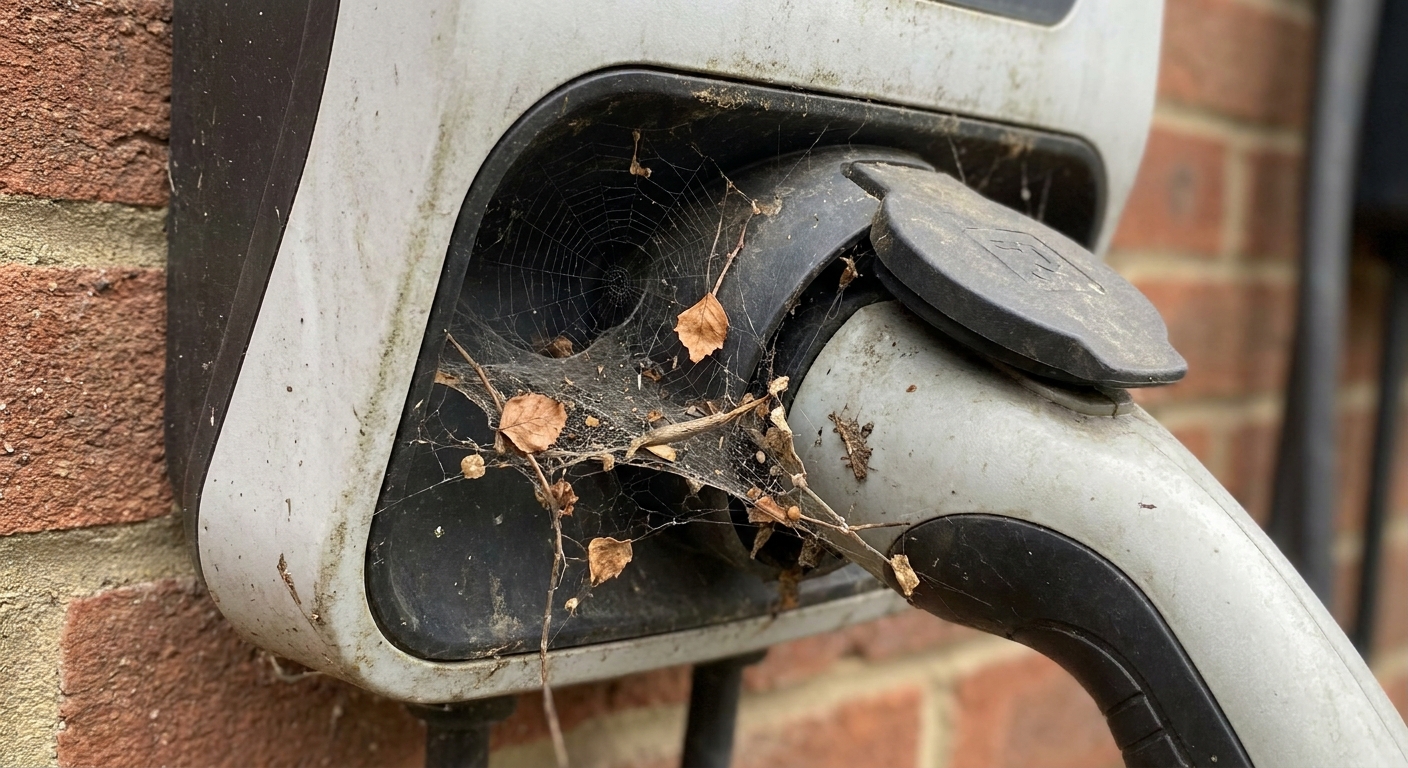
These high-value electrical investments, while designed for durability, are not impervious to the elements, pests, or general accumulation of dirt and debris. Spider webs, insect nests (especially wasps and ants), dust, leaves, and other environmental detritus can clog ventilation ports, lead to overheating, and even attract rodents that might chew on exposed wiring. Homeowners, having invested thousands of dollars into these systems, are actively seeking affordable and reliable ways to protect their hardware, ensure optimal performance, and extend their lifespan. This growing need creates a clear market opportunity for a focused, non-technical maintenance service.
What Exactly Does This Service Entail?
The home battery enclosure cleaning service is precisely what its name suggests: a dedicated, exterior maintenance routine designed to safeguard expensive residential energy hardware. It is crucial to understand that this service does *not* involve opening electrical enclosures, performing internal wiring checks, or engaging in any form of electrical repair or technical diagnostics. The focus is entirely on the exterior integrity and immediate surroundings of the units.
Specifically, a typical service visit would encompass:
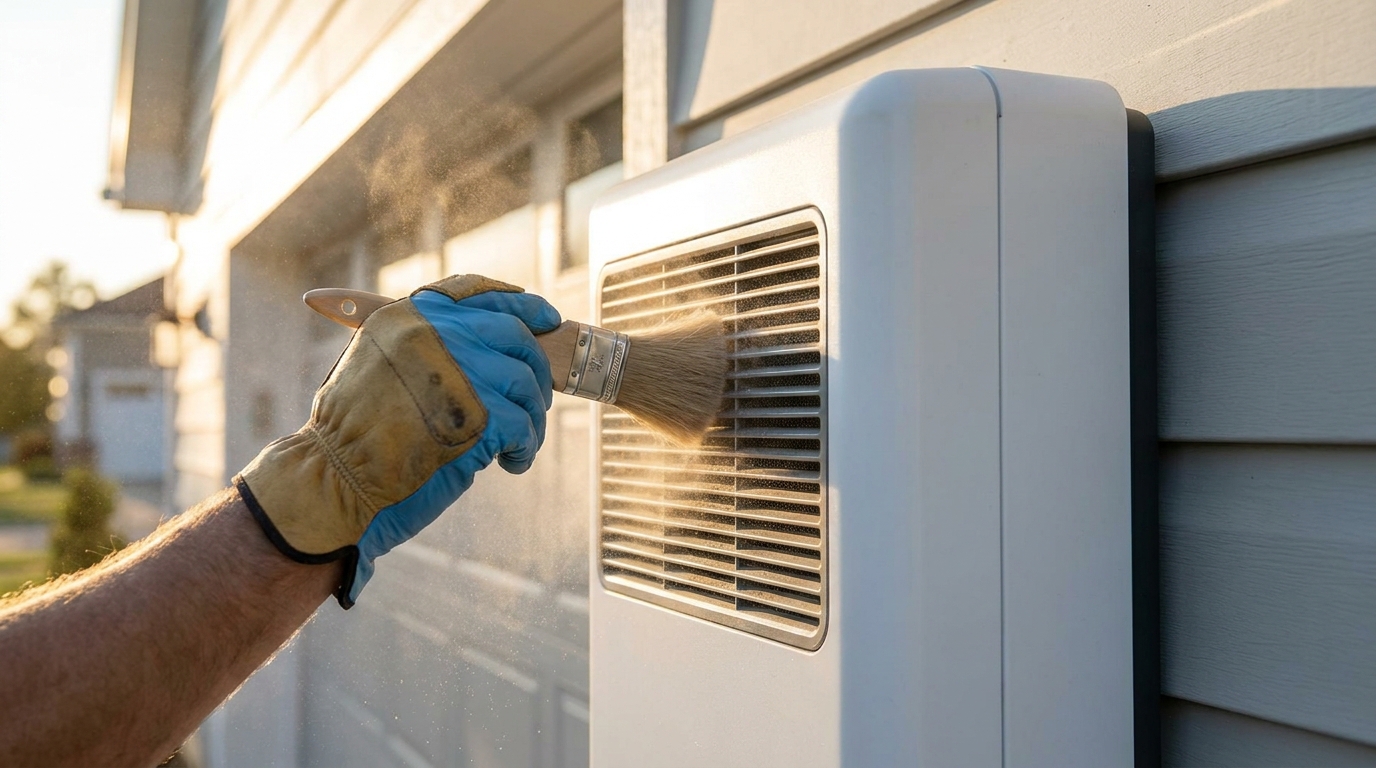
- Exterior Dusting and Debris Removal: Thoroughly cleaning the external surfaces of battery banks and EV charging stations to remove accumulated dust, pollen, leaves, and general environmental grime.
- Cobweb and Insect Nest Removal: Carefully clearing away spider webs, wasp nests, ant colonies, and other insect habitats that can accumulate on or around the units, often obstructing vents or creating unsightly appearances.
- Ventilation Port Inspection and Clearing: Visually inspecting and gently clearing any blockages in the ventilation grilles or ports to ensure proper airflow, which is critical for preventing overheating and maintaining system efficiency.
- Visual Safety Checks: A non-invasive visual inspection for obvious signs of damage, such as cracks in the enclosure, loose mounting hardware, or visible pest entry points. This is purely observational and any significant findings would be reported to the homeowner for professional electrical assessment.
- Surrounding Area Tidy-Up: Light tidying of the immediate area around the units, ensuring no debris is accumulating that could pose a future risk or simply look untidy.
The value proposition here is clear: proactive, affordable protection against common environmental threats that can degrade performance, shorten lifespan, and potentially lead to costly repairs for these vital home energy systems.
Startup Costs & Essential Equipment
One of the appealing aspects of this home battery enclosure cleaning business idea is its relatively low barrier to entry regarding startup capital. You can begin operations with a lean approach, focusing on essential tools and services. Here’s a breakdown of typical startup costs in USD:
- Business Registration & Licensing: Varies by state and county, typically $50 - $300.
- Liability Insurance: Absolutely critical for any service business. Expect to pay $400 - $800 annually for a basic policy covering property damage and bodily injury.
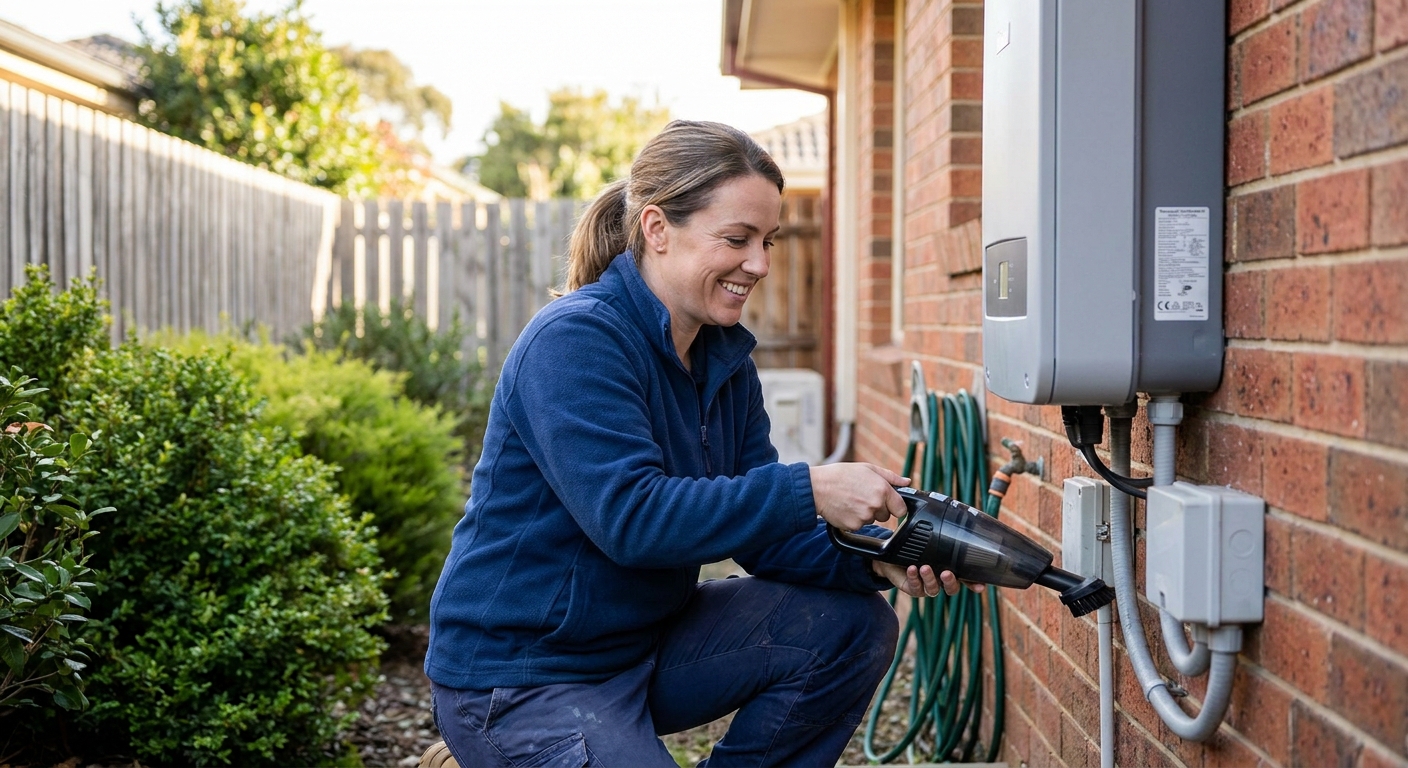
- Basic Cleaning Tools: Soft-bristle brushes, microfiber cloths, a handheld battery-powered vacuum (e.g., a shop vac mini or similar), compressed air duster cans or a small portable air blower, eco-friendly exterior cleaning solutions. Budget $150 - $300.
- Safety Gear: Work gloves, safety glasses, dust masks. Essential for personal protection. Budget $50 - $100.
- Inspection Tools: A reliable LED flashlight, perhaps a non-contact voltage tester (for awareness, not troubleshooting). Budget $30 - $80.
- Transportation: A reliable vehicle is necessary. Factor in gas and maintenance. While not a direct startup cost, it's an operational necessity.
- Marketing Materials: Business cards, flyers, basic website or Google My Business setup. Budget $100 - $300.
- Invoicing/Scheduling Software: Many affordable options exist (e.g., Square, Wave, Jobber). Free to $50/month initially.
Total estimated startup costs can range from approximately $780 to $1,910. This assumes you already have a vehicle. By starting lean and reinvesting profits, you can gradually upgrade equipment and expand your marketing efforts.
Finding Your First Customers in the USA
Securing your initial customers in the United States requires targeted effort, especially in the first 14 days of launching your service. Focus on homeowners who have already invested in solar panels, home battery storage, or EV charging stations – these are your prime prospects. Here’s how to get your first three customers and beyond:
Days 1-7: Leveraging Your Network and Local Presence
- Personal Network: Start by reaching out to friends, family, and neighbors. Announce your new service on personal social media channels. Offer a significant introductory discount to your first few clients in exchange for honest feedback and testimonials.
- Neighborhood Targeting: Identify neighborhoods in your service area known for their solar installations or visible EV charging stations. Drive through these areas, making note of houses that clearly have the systems you service. Create professional, concise flyers explaining your service and value proposition, then distribute them door-to-door in these specific areas.
- Online Local Groups: Post about your new service in local Facebook groups, Nextdoor communities, and other neighborhood forums. Frame your offering as a proactive solution for protecting valuable home energy investments. Offer a special "community discount" for early adopters.
Days 8-14: Strategic Partnerships and Direct Outreach
- Solar Installers & Electricians: Forge relationships with local solar panel installation companies and licensed electricians. They often complete installations and then leave homeowners without a clear maintenance solution for the exterior. Position your service as a complementary offering. Offer them a referral fee for every client they send your way. This is a powerful channel for consistent leads.
- EV Dealerships: Connect with local EV dealerships. Many customers buying electric vehicles will also be installing home charging stations. Dealerships might be willing to include your service information in their customer onboarding packets.
- Homeowner Associations (HOAs): In communities with HOAs, present your service as a value-add for residents. HOAs are often concerned with property aesthetics and maintenance, and your service fits perfectly.
To secure your first three customers, prioritize direct, personal outreach. Offer an irresistible introductory package (e.g., "First Service 25% Off" or "Free Visual Safety Check with First Cleaning"). Follow up diligently, and be ready to articulate the long-term cost savings and peace of mind your service provides.
Pricing Your Bi-Annual Maintenance Packages
Establishing a competitive yet profitable pricing structure is essential. Given the nature of this service – preventative and non-technical – a bi-annual maintenance package offers the best value for homeowners and ensures recurring revenue for your business. Homeowners benefit from consistent protection, while you gain predictable income streams.
Consider these factors when setting your prices:
- Time & Labor: Estimate the average time a service takes (e.g., 30-60 minutes per unit).
- Travel Costs: Factor in fuel and vehicle wear-and-tear.
- Material Costs: Cleaning supplies, compressed air.
- Insurance & Overhead: Your operational costs.
- Market Rates: Research what similar home services (e.g., window cleaning, gutter cleaning) charge in your area.
Here’s a suggested pricing model in USD:
- Single Service Visit (One-Time Cleaning): This caters to homeowners who want to try your service or only need occasional cleaning. A typical range might be $75 - $125 per battery enclosure or EV charging station. For multiple units, offer a slight discount on subsequent units (e.g., first unit $100, second unit $75).
- Bi-Annual Maintenance Package (Recommended): This is your flagship offering. By committing to two services per year (e.g., spring and fall), homeowners receive a discounted rate, and you secure recurring business. You might price this at $120 - $200 per year per unit, paid upfront or in two installments. This represents a 20-30% discount compared to two single visits.
- Add-on Services: If a client has both a home battery and an EV charger, offer a bundled discount. For example, "Battery Enclosure + EV Charger Bi-Annual Package" for $180 - $280 per year.
Emphasize the value: preventing expensive repairs, extending hardware lifespan, and maintaining peak efficiency. A clear, tiered pricing structure will make it easy for customers to understand their options and the benefits of a long-term commitment.
Marketing Strategies for Local Success
Effective marketing for a niche local service business like home battery enclosure cleaning relies on visibility, trust, and targeted outreach. Focus on channels that reach homeowners who are likely to own the systems you service.
Online Presence:
- Google My Business (GMB): This is paramount. Create and optimize your GMB profile with accurate service areas, hours, photos, and customer reviews. Local SEO is heavily influenced by GMB.
- Local SEO: Ensure your website (even a simple one-page site) is optimized for local search terms like "home battery cleaning [your city]," "EV charger maintenance [your town]," or "solar battery enclosure cleaning near me."
- Social Media (Targeted Ads): Platforms like Facebook and Instagram allow for highly specific geographic and demographic targeting. Run ads targeting homeowners in affluent zip codes or those interested in solar energy, electric vehicles, or home improvement. Showcase before-and-after photos (with client permission) and highlight the protective benefits of your service.
- Nextdoor: As mentioned, Nextdoor is excellent for community engagement. Post regularly about your services, offer neighbor discounts, and participate in local discussions to build trust.
Offline & Community Engagement:
- Referral Partnerships: Continue to nurture relationships with solar installers, electricians, landscapers (who often see these units), and real estate agents. Offer generous referral fees.
- Direct Mail Campaigns: Target specific neighborhoods with high concentrations of solar and EV installations. A well-designed postcard can be very effective.
- Community Events: Set up a small booth at local farmers' markets, home and garden shows, or community festivals. Offer a free visual inspection or a discount for signing up on the spot.
- Branded Vehicle & Uniforms: A clean, professionally branded vehicle acts as a mobile billboard. Wearing a uniform with your company logo instills confidence and professionalism.
- Testimonials & Reviews: Actively solicit reviews on Google, Yelp, and your social media pages. Positive word-of-mouth is invaluable for local businesses.
Consistency and a clear message about protecting valuable home investments will drive local success.
Scaling Your Home Battery Cleaning Business
Once you've established a solid customer base and refined your operational processes, scaling your home battery cleaning business becomes the next logical step. The key is to maintain service quality while expanding reach and capacity.
Expand Your Service Area: Initially, you might focus on a few key neighborhoods or a single city. As demand grows, gradually extend your service radius to adjacent towns or counties. This requires careful planning to optimize travel routes and scheduling efficiency.
Standardize Operations: Develop clear, step-by-step operating procedures for every aspect of your service, from initial customer contact to job completion and invoicing. This ensures consistency and makes it easier to train new staff.
Hire and Train Staff: As your customer volume increases, you'll need to bring on additional cleaning technicians. Emphasize that while the work is non-technical, attention to detail, adherence to safety protocols, and excellent customer service are paramount. Provide thorough training on your specific cleaning methods and visual inspection checklists.
Invest in Technology: Utilize CRM (Customer Relationship Management) software to manage client information, service history, and communication. Implement efficient scheduling and routing software to maximize technician productivity. Consider mobile payment solutions for convenience.
Add Complementary Services: While maintaining focus on your core offering, you could strategically introduce related services that align with your expertise and customer base. Examples include solar panel cleaning (if you acquire the necessary equipment and training), or general exterior property maintenance. However, be cautious not to dilute your brand or overextend your resources too early.
Consider a Franchise Model (Long-Term): For ambitious entrepreneurs, once your business model is proven and highly efficient, exploring a franchise model could allow for rapid expansion across different regions without direct management of every location. This is a significant undertaking but offers substantial growth potential.
Scaling successfully means building a repeatable, efficient system that can handle increased demand without compromising the quality that earned you your initial customers.
Is This the Right Side-Hustle for You?
The home battery enclosure cleaning business presents a compelling opportunity for individuals looking for a practical, low-startup-cost side-hustle with significant growth potential in the evolving energy landscape. But is it the right fit for your skills and lifestyle?
Ideal Candidates Are:
- Detail-Oriented: The job requires meticulous cleaning and careful visual inspection.
- Comfortable with Outdoor Work: You'll be working outside in various weather conditions.
- Physically Capable: While not overly strenuous, it involves bending, reaching, and carrying light equipment.
- Customer-Focused: Good communication skills and a friendly demeanor are crucial for building trust and securing repeat business.
- Self-Starters: You'll need to be proactive in finding customers and managing your schedule.
- Safety-Conscious: Understanding and adhering to basic safety protocols around electrical equipment is non-negotiable.
Pros of This Side-Hustle:
- Growing Market: The proliferation of home energy storage and EV charging systems ensures a continually expanding customer base.
- Low Startup Costs: Minimal investment in tools and equipment makes it accessible.
- Recurring Revenue Potential: Bi-annual maintenance packages provide a predictable income stream.
- Meaningful Service: You're helping homeowners protect valuable investments and contribute to renewable energy longevity.
- Flexibility: As a side-hustle, you can set your own hours and scale at your own pace.
Considerations:
- Seasonal Demand: In some colder regions, demand might slow during winter months, requiring strategic planning or diversification.
- Initial Customer Acquisition: Building your first customer base requires dedicated effort and networking.
- Physical Nature: It's not a desk job; you'll be actively moving and cleaning.
Ultimately, if you're looking for a practical, hands-on business that taps into a burgeoning market, offers recurring revenue, and allows you to be your own boss with relatively low risk, the home battery enclosure cleaning business for 2026 is certainly worth exploring. It's a tangible way to provide value in a world increasingly reliant on home energy independence.
Want more practical business ideas for the US market?
👉 Follow us on Facebook for daily ideas and tips.
👉 Save ideas on Pinterest — or get them by email.
Note: Comments are being moderated and may take a while to appear. There is no need to resubmit your comment.