Suburban Homestead Assistant business idea for 2026
Want more practical business ideas for the US market?
👉 Follow us on Facebook for daily ideas and tips.
👉 Save ideas on Pinterest — or get them by email.
Turn idea into action
Calculate a business plan for this idea
Log in to generate a plan from this idea. We will reuse the article's niche and context; you only add your market location.
Log in to calculateThe Rise of Suburban Homesteading in 2026
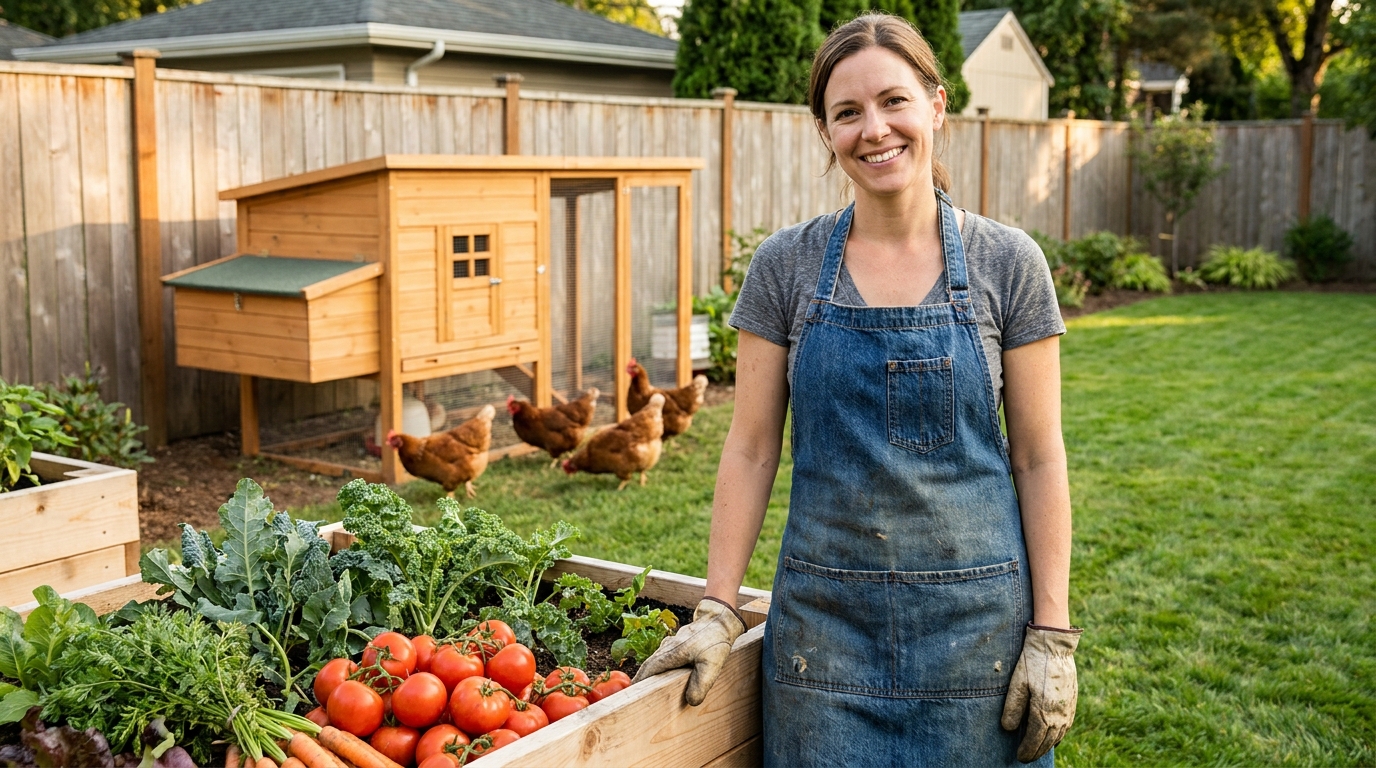
The concept of self-sufficiency is experiencing a significant resurgence, making the Suburban Homestead Assistant a compelling business idea for 2026. Across the United States, a growing number of suburban homeowners are looking to embrace elements of homesteading – from cultivating their own organic produce in backyard gardens to raising small animals like chickens for fresh eggs. This trend is driven by a confluence of factors: a desire for healthier, locally sourced food, increased environmental consciousness, economic uncertainties prompting a focus on self-reliance, and a renewed appreciation for hands-on, sustainable living. Many families, particularly younger generations, are eager to adopt these practices but lack the time, specialized knowledge, or physical capability to manage all aspects of a thriving suburban homestead. This gap creates a unique opportunity for a dedicated service provider.
What is a Suburban Homestead Assistant?
A Suburban Homestead Assistant fills this crucial need by offering expert, practical support to homeowners who are venturing into small-scale backyard farming. You become their trusted partner, providing the labor, guidance, and specialized skills required to establish and maintain various homesteading elements. This isn't about traditional landscaping; it's about fostering productive, sustainable micro-ecosystems in residential settings. Your role is to empower clients to achieve their self-sufficiency goals without the steep learning curve or the overwhelming time commitment. You'll help turn their suburban yards into functional, food-producing spaces, allowing them to enjoy the benefits of homesteading without the associated burdens.
Services to Offer: From Garden Beds to Coops
The range of services a Suburban Homestead Assistant can offer is diverse and highly valuable. Focus on practical, recurring tasks that clients find challenging or time-consuming. Key offerings could include:
- Seasonal Garden Bed Preparation & Maintenance: This involves soil amendment, raised bed construction, planting schedules, organic pest control, weeding, mulching, and harvesting assistance. Think spring planting, summer nurturing, and fall cleanup.
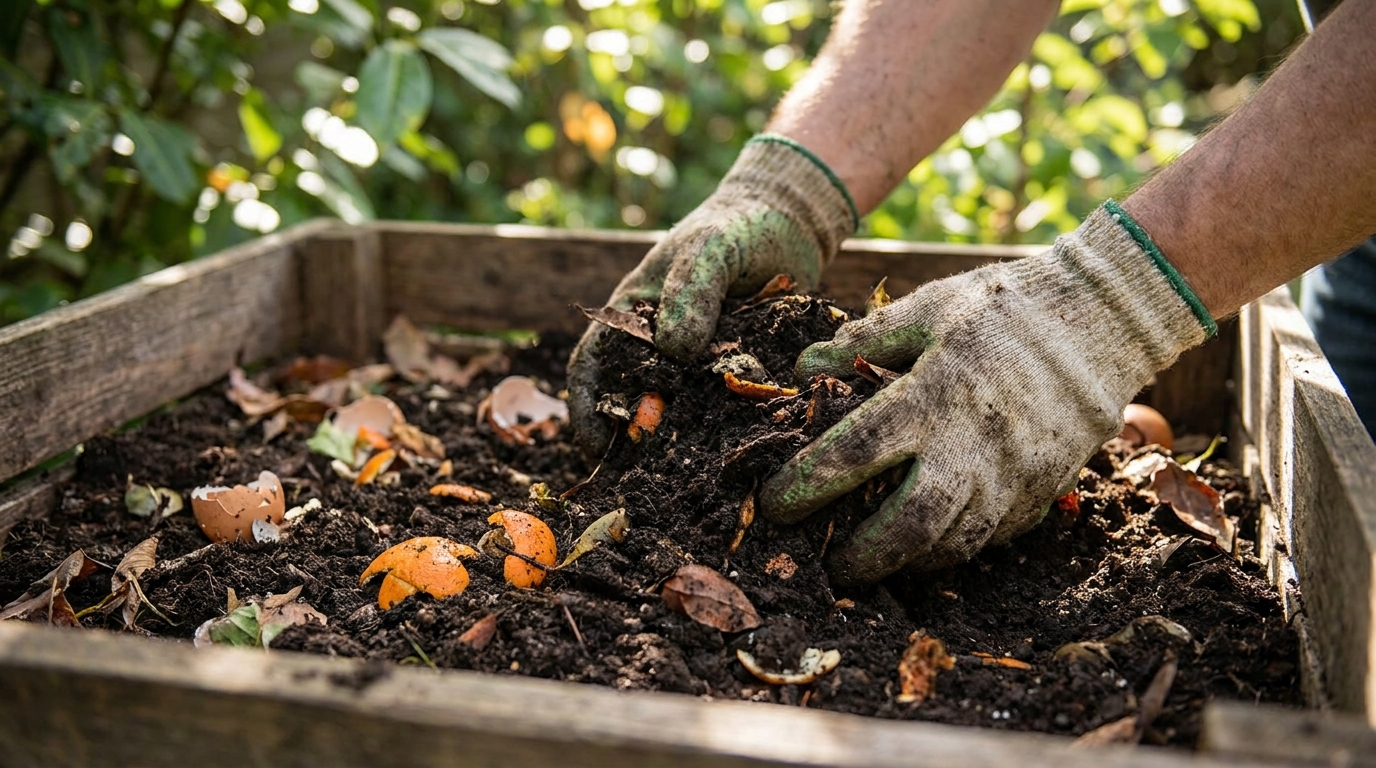
- Composting System Setup & Management: Educating clients on composting best practices, setting up various bin types (e.g., tumbler, three-bin system), and regular turning and aeration to produce nutrient-rich soil.
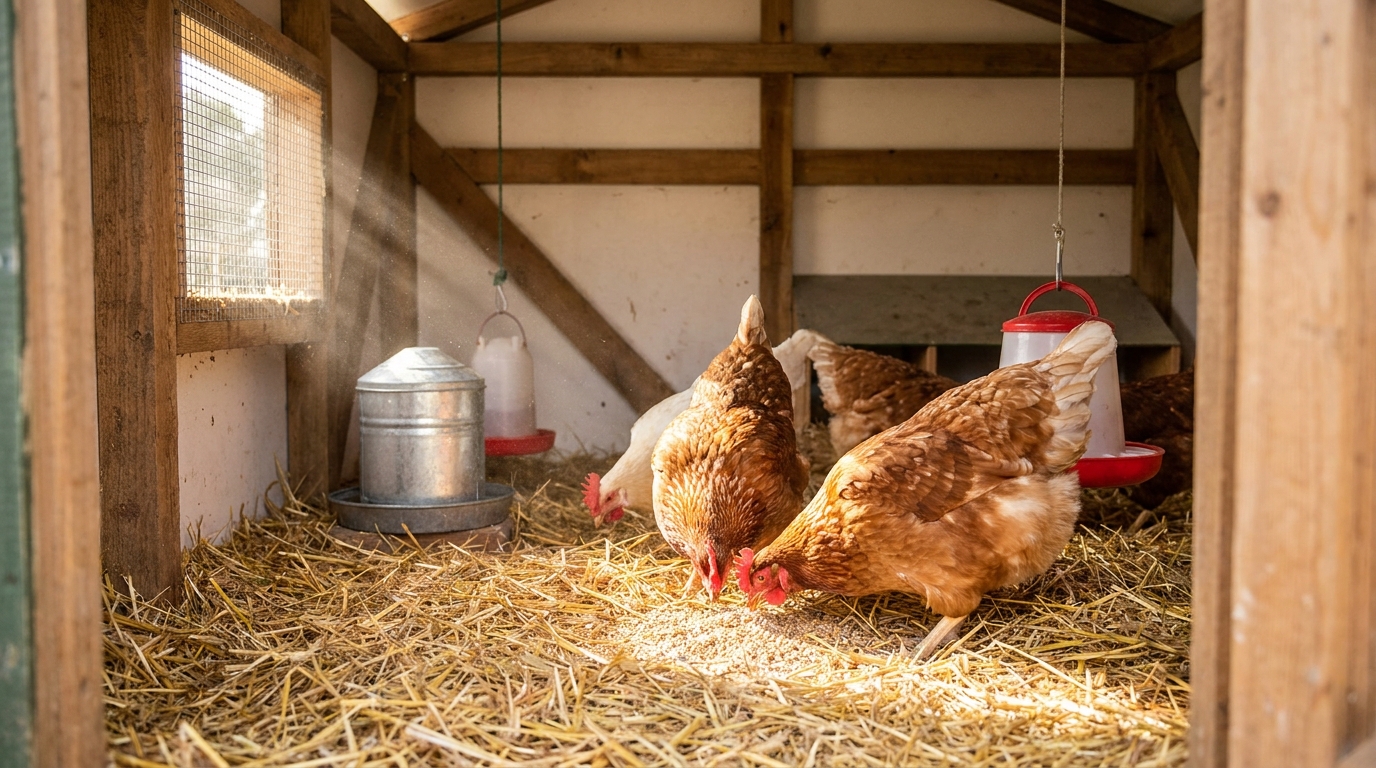
- Small Animal Coop Cleaning & Upkeep: For clients with backyard chickens, rabbits, or other small livestock, this could involve regular coop cleaning, bedding replacement, basic health checks, feeder and waterer maintenance, and predator-proofing advice.
- Rainwater Harvesting & Irrigation: Installing simple rain barrel systems, setting up drip irrigation for garden beds, and advising on water conservation techniques.
- Fruit Tree & Berry Bush Care: Pruning, fertilizing, pest management, and harvesting guidance for small orchards or berry patches.
- Tool Sharpening & Maintenance: Offering a mobile service for keeping garden tools in top condition, adding value and convenience.
Startup Costs & Essential Tools
One of the appealing aspects of this business idea is the relatively low barrier to entry for a side-hustle. Initial startup costs in the USA can range from approximately $500 to $2,000, primarily covering essential tools and basic business necessities.
- Tools: You'll need durable, high-quality hand tools such as a sturdy spade, trowel, pruners, soil knife, gardening fork, and wheelbarrow. A reliable watering can or hose attachment, along with safety gear like gloves, eye protection, and sturdy boots, are also crucial. For coop maintenance or basic construction, a cordless drill/driver, staple gun, and small hand saw might be useful. Budget around $300-$800.
- Transportation: A reliable vehicle capable of transporting tools and occasional materials (e.g., bags of soil, compost) is essential.
- Insurance: General liability insurance is non-negotiable to protect yourself from unforeseen accidents or damages. Expect to pay $300-$600 annually for a basic policy.
- Marketing & Branding: Simple business cards, a basic website or professional social media profiles (e.g., Google My Business, Facebook Page), and possibly some flyers. Budget $100-$300.
- Business Registration: Costs for registering your business (e.g., LLC or Sole Proprietorship) with your state and obtaining any necessary local permits can vary, typically $50-$200.
Your First 14 Days: Setting Up for Success
The initial two weeks are critical for laying a solid foundation for your Suburban Homestead Assistant venture.
- Days 1-3: Legal & Financial Setup. Register your business with your state (e.g., as a Sole Proprietorship or LLC for liability protection). Obtain an Employer Identification Number (EIN) if needed. Secure general liability insurance. Open a dedicated business bank account.
- Days 4-7: Tool & Supply Acquisition. Purchase any necessary tools you don't already possess. Organize a dedicated space in your vehicle for efficient tool transport. Research local suppliers for bulk materials like compost or straw.
- Days 8-10: Branding & Online Presence. Create a simple but professional logo. Design business cards. Set up a Google My Business profile, a professional Facebook page, and possibly an Instagram account showcasing your skills. Outline your specific service offerings and initial pricing.
- Days 11-14: Initial Outreach & Practice. Offer a discounted "beta" service to a few friends or family members to refine your processes and gather testimonials. Reach out to local garden clubs, community groups, and farmers' markets to introduce your services and network. Prepare a concise elevator pitch.
Attracting Your First Customers
Securing your initial clients requires targeted effort and a focus on community engagement in the US market.
- Local Community Engagement: Join local Facebook groups (e.g., "Moms of [Your Town]," "Gardeners of [Your County]"), Nextdoor, and community forums. Share valuable tips and subtly introduce your services.
- Partnerships with Local Businesses: Approach local nurseries, garden centers, feed stores, and hardware stores. Offer to leave flyers or business cards, or even conduct small workshops on their premises. They often have customers looking for the exact services you provide.
- Farmers' Markets: Set up a small booth or simply network at local farmers' markets. Many vendors and shoppers are already interested in local food and sustainable living.
- Word-of-Mouth & Referrals: Encourage your first satisfied clients to spread the word. Offer a small referral bonus for new clients. Testimonials are incredibly powerful; ask clients for reviews on Google or your social media pages.
- Targeted Online Ads: Consider small, geographically targeted ads on Facebook or Google Ads, focusing on keywords like "backyard chickens help [Your Town]" or "organic garden maintenance [Your Zip Code]."
- Offer Free Consultations: A complimentary initial consultation allows potential clients to meet you, discuss their needs, and understand how you can help, building trust before commitment.
Pricing Your Services
Setting appropriate pricing is crucial for profitability and market acceptance. In the US, you can adopt several models:
- Hourly Rate: A straightforward approach, typically ranging from $50-$100 per hour, depending on your experience, the complexity of the task, and your local market. This works well for general maintenance or consultation.
- Project-Based Fees: For specific tasks like garden bed construction, compost system setup, or coop deep cleaning, offer a flat fee. For example, a raised bed installation might be $200-$500, excluding materials. This provides cost certainty for clients.
- Subscription Packages: This is an excellent way to secure recurring revenue. Offer monthly or quarterly packages for ongoing garden maintenance, coop cleaning, or a combination of services. For instance, a "Monthly Homestead Helper" package might be $150-$400, covering a set number of hours or specific tasks.
- Material Markup: If you're purchasing materials (soil, lumber, feed) for clients, apply a reasonable markup (e.g., 10-20%) to cover your time and effort.
Scaling Your Side-Hustle
Once you've established a solid client base and refined your services, there are several avenues to scale your Suburban Homestead Assistant side-hustle into a more significant enterprise.
- Expand Service Offerings: Introduce more specialized services such as small greenhouse installation, basic irrigation system repair, or even urban beekeeping consultation (if you have the expertise and local regulations allow).
- Hire Part-Time Help: As demand grows, consider bringing on a trusted part-time assistant, especially for larger projects or to cover more clients. This allows you to manage more work without sacrificing quality.
- Develop Educational Workshops: Host paid workshops on topics like "Starting Your First Raised Bed," "Backyard Chicken Basics," or "Composting for Beginners." This positions you as an expert and can generate additional income.
- Create & Sell Products: Design and sell custom-built raised garden beds, compost bins, chicken feeders, or even starter kits for specific plants or small animals.
- Online Resources: Develop a blog or YouTube channel offering tips and tutorials, potentially monetizing through ads, affiliate links, or premium content.
- Geographic Expansion: Once successful in your initial service area, consider expanding to neighboring towns or counties, replicating your proven model.
Want more practical business ideas for the US market?
👉 Follow us on Facebook for daily ideas and tips.
👉 Save ideas on Pinterest — or get them by email.
Note: Comments are being moderated and may take a while to appear. There is no need to resubmit your comment.