Home Energy Behavior Coach business idea for 2026

Want more practical business ideas for the US market?
👉 Follow us on Facebook for daily ideas and tips.
👉 Save ideas on Pinterest — or get them by email.
Turn idea into action
Calculate a business plan for this idea
Log in to generate a plan from this idea. We will reuse the article's niche and context; you only add your market location.
Log in to calculateThe Rise of the Home Energy Behavior Coach
This innovative business idea for 2026 introduces a personalized service designed to empower US homeowners to significantly reduce their energy consumption and lower utility bills. As smart home technology becomes ubiquitous and energy costs continue their upward trajectory, a unique opportunity emerges for experts who can translate complex energy data into actionable, easy-to-implement behavioral changes. The Home Energy Behavior Coach is not about selling new appliances or undertaking expensive renovations; instead, it focuses on optimizing existing systems and daily habits. By analyzing a homeowner's smart thermostat data, utility consumption patterns, and household routines, these coaches provide tailored advice, helping families save money and contribute to a more sustainable future, all without invasive installations or significant upfront investments. This service addresses a growing demand for practical, non-disruptive solutions to a universal problem, positioning it as a highly relevant and impactful venture for the coming years.
Why 2026 is Prime Time for This Business
The landscape for energy behavior coaching is uniquely ripe for expansion in 2026. Several converging factors create a perfect storm for this business model. Firstly, energy costs across the United States have seen consistent increases, driven by inflation, geopolitical events, and infrastructure demands. Homeowners are feeling the pinch and are actively seeking tangible ways to mitigate these expenses. Secondly, the proliferation of smart home devices, particularly smart thermostats like Nest, Ecobee, and Honeywell Home, has created a wealth of accessible data. These devices, now common in millions of US households, log detailed information on heating and cooling patterns, occupancy, and energy usage, providing the raw material for deep analytical insights. Thirdly, there's a growing societal emphasis on environmental responsibility. Many homeowners are not only motivated by cost savings but also by a desire to reduce their carbon footprint. A Home Energy Behavior Coach offers a practical, immediate, and often cost-free path to achieving these goals, making it an attractive proposition for a broad demographic. Finally, the service-based economy continues to thrive, with consumers increasingly willing to pay for expertise that delivers clear, measurable value, especially when that value directly translates to savings.
Your Service: Data-Driven Energy Savings
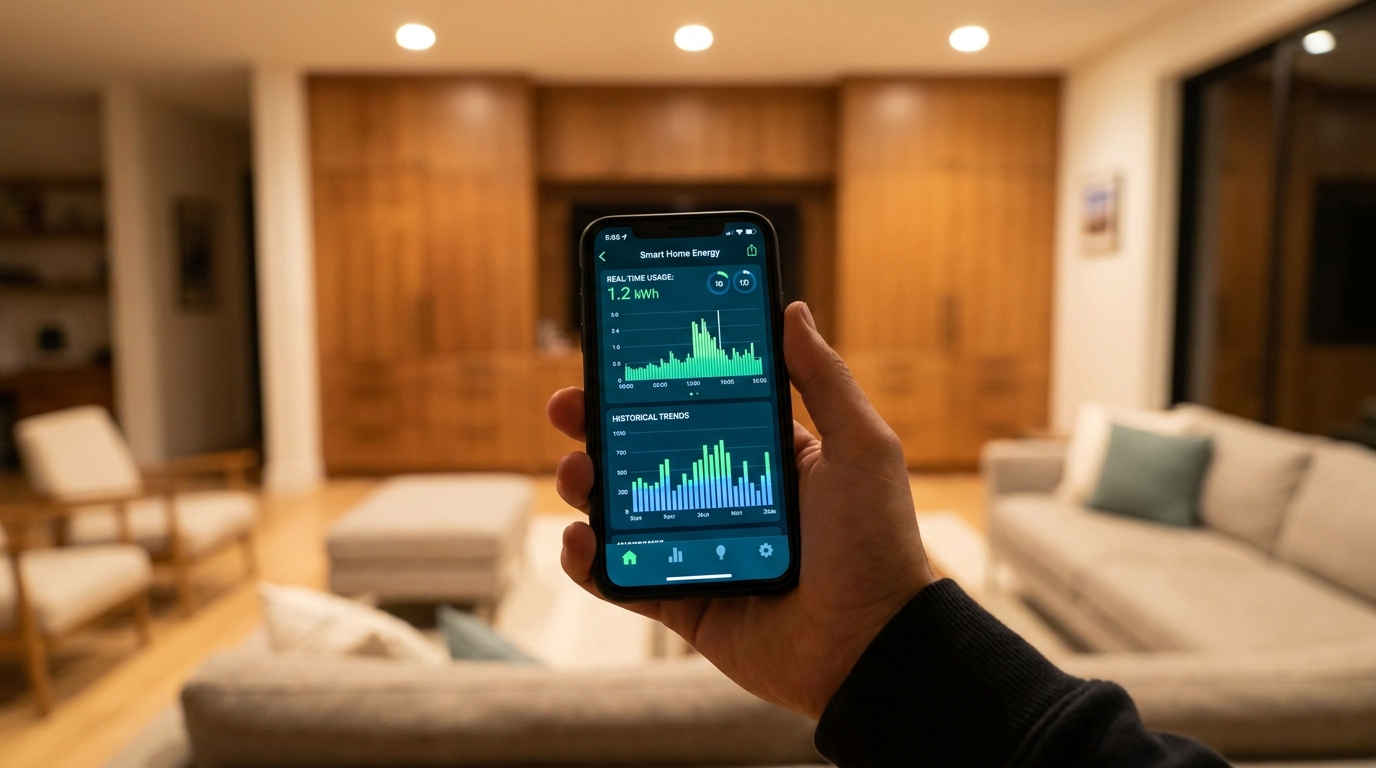
At its core, your service as a Home Energy Behavior Coach will be a sophisticated blend of data analysis, personalized consultation, and ongoing support. Clients will grant you secure, consented access to their smart thermostat data, typically via manufacturer portals or API integrations (where available), and their historical utility bills. Your initial process will involve a comprehensive audit of this data, looking for patterns, inefficiencies, and anomalies. This might include identifying peak usage times, understanding the impact of thermostat setbacks, analyzing HVAC run times, and pinpointing phantom loads. Based on this analysis, you will develop a customized energy savings plan. This plan will focus primarily on behavioral adjustments: optimizing thermostat schedules, suggesting minor insulation improvements (e.g., weatherstripping), recommending smart plug usage for energy vampires, and advising on appliance usage habits. You might also suggest minor tech adjustments, such as calibrating thermostat sensors or ensuring correct placement. The value proposition is clear: you provide actionable insights that lead to measurable reductions in energy consumption, typically resulting in 5-15% savings on monthly utility bills without requiring significant capital outlay from the homeowner. Follow-up consultations and progress tracking will reinforce the value, demonstrating the direct financial impact of their adopted changes.
Essential Tools and Skills to Get Started
Launching a Home Energy Behavior Coach business requires technical acumen, analytical skills, and strong communication abilities.
Key Skills:
- Data Analysis: Proficiency interpreting energy consumption data, identifying trends, calculating potential savings. Background in engineering, environmental science, or data analytics beneficial.
- HVAC Basics: Fundamental understanding of heating, ventilation, and air conditioning systems for credible advice.
- Smart Home Technology: Familiarity with popular smart thermostats (Nest, Ecobee, Honeywell Home) and smart plugs, including data reporting and user interfaces.
- Communication & Coaching: Ability to clearly explain complex concepts to non-technical homeowners, motivate behavioral change, and build trust.
- Business Acumen: Basic marketing, sales, and client management.
Essential Tools (Startup Cost Range: $500 - $2,500 USD):

- Laptop & Reliable Internet: For data analysis, client communication, and administrative tasks.
- Data Analysis Software: Spreadsheets (Excel, Google Sheets) suffice; specialized energy analysis tools or custom scripts can be developed later.
- CRM System: Manage client information, appointments, and communication (e.g., HubSpot Free, Zoho CRM).
- Secure Data Access Tools: Understand how to securely request and manage access to client utility and smart thermostat data (e.g., authorized third-party integrations or direct client-provided exports).
- Website/Online Presence: Professional website detailing services, testimonials, and contact. Simple WordPress or Squarespace template suffices initially.
- Legal & Administrative: Business registration, liability insurance, clear client agreement outlining data privacy and service scope. Expect initial legal fees for contract review.
Attracting Your First US Clients
Acquiring initial US clients hinges on demonstrating tangible value and building trust.
First 14 Days Strategy:
- Define Your Niche: Consider starting with a specific demographic or region, e.g., homeowners with smart thermostats in a high-energy-cost city.
- Build Your Online Presence: Launch a simple, professional website showcasing your service, value, and call to action. Include an FAQ addressing data privacy and expected savings.
- Local Networking: Attend homeowner association meetings, community events, or real estate professional gatherings. Offer free introductory webinars on "5 Ways to Lower Your Energy Bill This Winter/Summer" to generate leads.
- Offer a "Pilot Program": Recruit 3-5 initial clients at a reduced rate or free in exchange for detailed testimonials and case studies. Early successes build your portfolio.
Getting Your First 3 Customers:

- Leverage Your Network: Start with friends, family, or colleagues who own homes and smart thermostats. They're likely to trust you and provide feedback.
- Local Social Media Groups: Post in local Facebook groups, Nextdoor, or community forums. Offer a limited-time discount for early sign-ups. Frame it as a community service.
- Partnerships with Local Businesses: Collaborate with HVAC technicians, home inspectors, or real estate agents. They often encounter homeowners concerned about utility costs and can refer clients. Offer referral fees or reciprocal arrangements. Highlight non-invasive service, complementing their offerings.
- Targeted Online Ads: Consider small, geographically targeted ad campaigns on Google or Facebook, focusing on keywords like "save on utility bills," "smart thermostat optimization," or "home energy audit near me."
Pricing Your Expertise and Building Revenue
Effective pricing is critical for growth. Given direct savings, performance-based or tiered models attract US homeowners.
Pricing Models:
- Flat Fee per Audit: A one-time charge for initial data analysis, personalized plan, and follow-up. Ranges $250-$750 USD, depending on home complexity/analysis depth.
- Subscription Model: Monthly/quarterly fee for ongoing monitoring, periodic plan adjustments, and support. Builds recurring revenue, deepens relationships. E.g., $49-$99 USD/month for continuous optimization.
- Performance-Based Fee: Percentage of actual energy savings over a defined period (e.g., 25-50% of savings over first 6-12 months). Aligns incentives with client success but requires robust tracking and baseline agreement.
- Tiered Packages: Offer service levels, from basic data review to premium packages including multiple consultations, advanced analysis, and more smart home device integration.
Building Revenue:
Start with a clear flat-fee model for initial clients to establish value. As testimonials grow, introduce subscription or performance-based options. Focus on demonstrating clear ROI. If service costs $500 but saves $50-$100/month, clients quickly see value and become advocates. Encourage referrals with incentives. Consider workshops or group coaching for homeowner associations.
Scaling Your Impact and Future Growth
Once initial client base is established and processes refined, scaling offers several growth avenues.
- Expand Geographic Reach: Leverage online presence to serve homeowners across states or nationally. Data-driven service means physical proximity isn't always required.
- Develop Software Tools: Invest in proprietary software or advanced analytics dashboards to automate data analysis, handling more clients efficiently. Could include AI-driven pattern recognition or personalized reports.
- Team Expansion: Hire additional energy coaches or data analysts to serve a larger client base. Train them on methodologies and communication.
- Partnerships: Forge deeper partnerships with utility companies, smart thermostat manufacturers, or real estate developers. Utilities might offer incentives; developers could integrate coaching for new home buyers.
- Service Diversification: Expand into related areas: water conservation coaching, smart appliance optimization, or small-scale commercial energy consulting.
- Educational Content: Create online courses, e-books, or premium content offering general energy-saving tips, positioning yourself as a thought leader and generating passive income.
Navigating Challenges in the Energy Coaching Niche
While promising, entrepreneurs must address specific challenges for long-term success.
- Data Privacy and Security: Gaining homeowner trust regarding sensitive data is paramount. Implement robust security, ensure compliance with privacy regulations, and clearly communicate data handling. Transparent consent is non-negotiable.
- Client Engagement and Behavioral Change: Service relies on clients adopting new behaviors. Overcoming inertia and ensuring consistent adherence can be difficult. Effective coaching, regular check-ins, and celebrating small victories are crucial.
- Demonstrating Measurable ROI: External factors (weather, occupancy, utility rates) complicate precise measurement. Develop clear methodologies (baseline comparisons, normalized data) and manage client expectations carefully.
- Market Awareness and Education: As a new service, many homeowners may not understand its value. Significant effort is required to educate the market through content marketing, testimonials, and clear messaging.
- Competition: While direct competition might be low, indirect competition comes from DIY tips, utility audits, or traditional contractors. Differentiate by emphasizing personalized, non-invasive, behavior-focused solutions.
- Technological Evolution: Smart home technology constantly evolves. Staying abreast of new devices, data integration, and energy management platforms is ongoing.
Proactively addressing these challenges builds a resilient, impactful business, helping homeowners save money and contribute to a greener future.
Want more practical business ideas for the US market?
👉 Follow us on Facebook for daily ideas and tips.
👉 Save ideas on Pinterest — or get them by email.
Note: Comments are being moderated and may take a while to appear. There is no need to resubmit your comment.