Senior smart home accessibility business idea for 2026
Want more practical business ideas for the US market?
👉 Follow us on Facebook for daily ideas and tips.
👉 Save ideas on Pinterest — or get them by email.
Turn idea into action
Calculate a business plan for this idea
Log in to generate a plan from this idea. We will reuse the article's niche and context; you only add your market location.
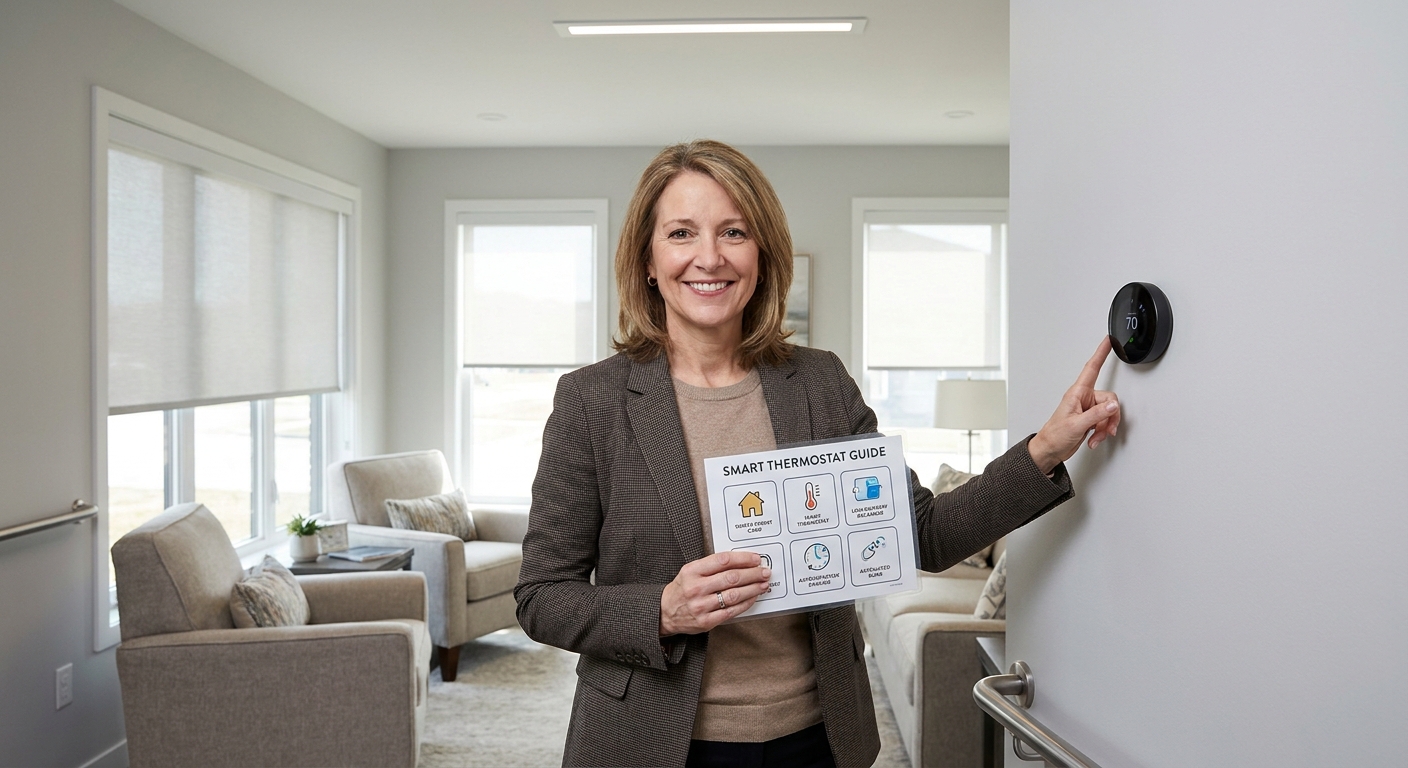
Log in to calculateThe landscape of elder care and independent living is undergoing a significant transformation, driven by technological advancements and a growing desire among older adults to "age in place." This evolving environment presents a compelling opportunity for an innovative new venture: a specialized Senior Smart Home Accessibility business idea for 2026. This service focuses on installing and configuring smart home technologies specifically tailored to enhance the independence and safety of elderly clients with mobility challenges. Imagine a world where a simple voice command can adjust the lights, open the blinds, or regulate the thermostat, effectively replacing physical actions that might otherwise be difficult or unsafe. Our proposed business offers precisely this, coupled with a crucial human touch: personalized training and large-font, simple instruction cards to ensure users feel confident and comfortable with their new assistive technology.
Why 2026 is the Right Time to Start
The year 2026 marks a pivotal moment for launching a senior smart home accessibility service in the United States. The confluence of several key trends makes this an opportune time. Firstly, the "aging in place" phenomenon continues to gain momentum. According to AARP, the vast majority of adults aged 50 and over express a strong desire to remain in their homes as they age. This preference is not just about comfort; it's about maintaining independence and dignity. Secondly, the affordability and reliability of smart home technology have reached a critical inflection point. What was once considered a luxury or a complex gadget is now robust, user-friendly, and increasingly accessible to a broader market segment. Devices like voice-activated assistants, smart lighting, and automated window treatments have matured, offering genuine, practical solutions that can genuinely replace physical mobility for basic household tasks.
Furthermore, awareness among adult children and caregivers about the potential of smart technology to support their aging parents is growing. They are actively seeking solutions that can provide peace of mind and improve their loved ones' quality of life without resorting to costly and often undesired institutional care. The market is ripe for specialists who understand not just the technology, but also the unique needs and sensitivities of the senior demographic. By 2026, the initial hurdles of technology adoption will have largely subsided, paving the way for services that prioritize integration, simplicity, and user confidence, making this a prime moment to establish a trusted brand in this essential niche.
Crafting Your Specialized Service Offering
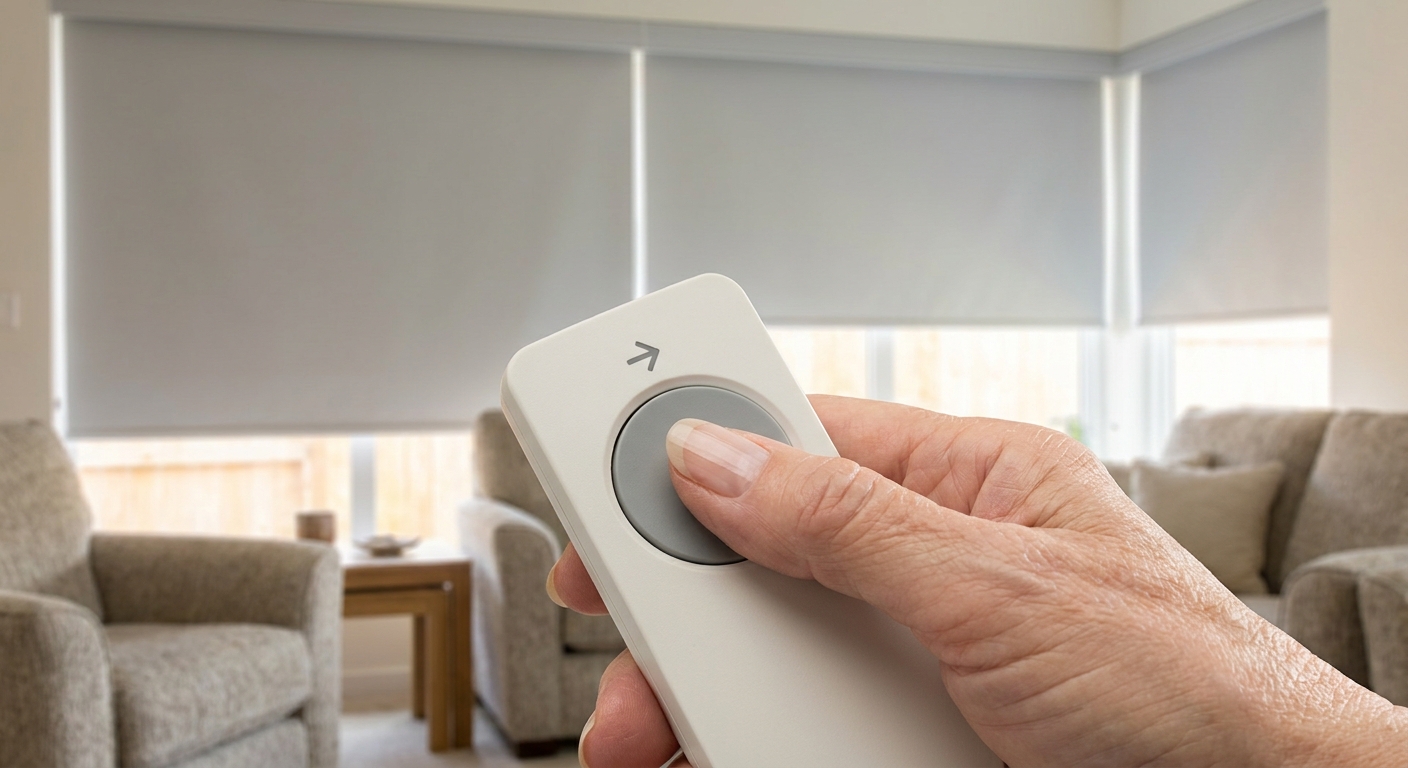
Your business will thrive by offering a highly specialized and empathetic service package. It begins with a comprehensive, in-home consultation and assessment. During this initial visit, you’ll engage with the senior client and their family or caregivers to understand their specific mobility challenges, daily routines, and desired outcomes. This isn't a one-size-fits-all approach; it's about identifying pain points – perhaps difficulty reaching light switches, struggling with thermostat controls, or managing window blinds – and proposing tailored technological solutions.
The core service includes professional selection, installation, and configuration of smart home devices. This might involve recommending and installing voice-activated smart speakers (like Amazon Echo or Google Home devices), smart light bulbs or switches, smart thermostats (such as Nest or Ecobee), and automated blinds or curtain openers. The emphasis is on seamless integration and reliability. Crucially, your service extends beyond mere installation. A significant differentiator is the personalized training provided to the senior client. This includes patient, step-by-step guidance on how to use the new technology, focusing on simple voice commands or app interactions. To reinforce this, you will print large-font, easy-to-read instruction cards, laminated for durability, placed strategically in the home. These cards serve as a quick reference, empowering users and fostering confidence in their ability to control their environment.
Beyond the initial setup, consider offering ongoing support and maintenance packages. These could include troubleshooting, software updates, or even minor reconfigurations as the client's needs evolve. This recurring revenue stream not only provides stability but also reinforces your role as a trusted partner in their long-term well-being.
Essential Startup Costs and Equipment
Launching a specialized smart home accessibility business requires a thoughtful allocation of resources, with typical startup costs ranging from approximately $5,000 to $15,000. This range accounts for essential tools, initial inventory, marketing, and operational necessities for a solo founder or small team in the United States.
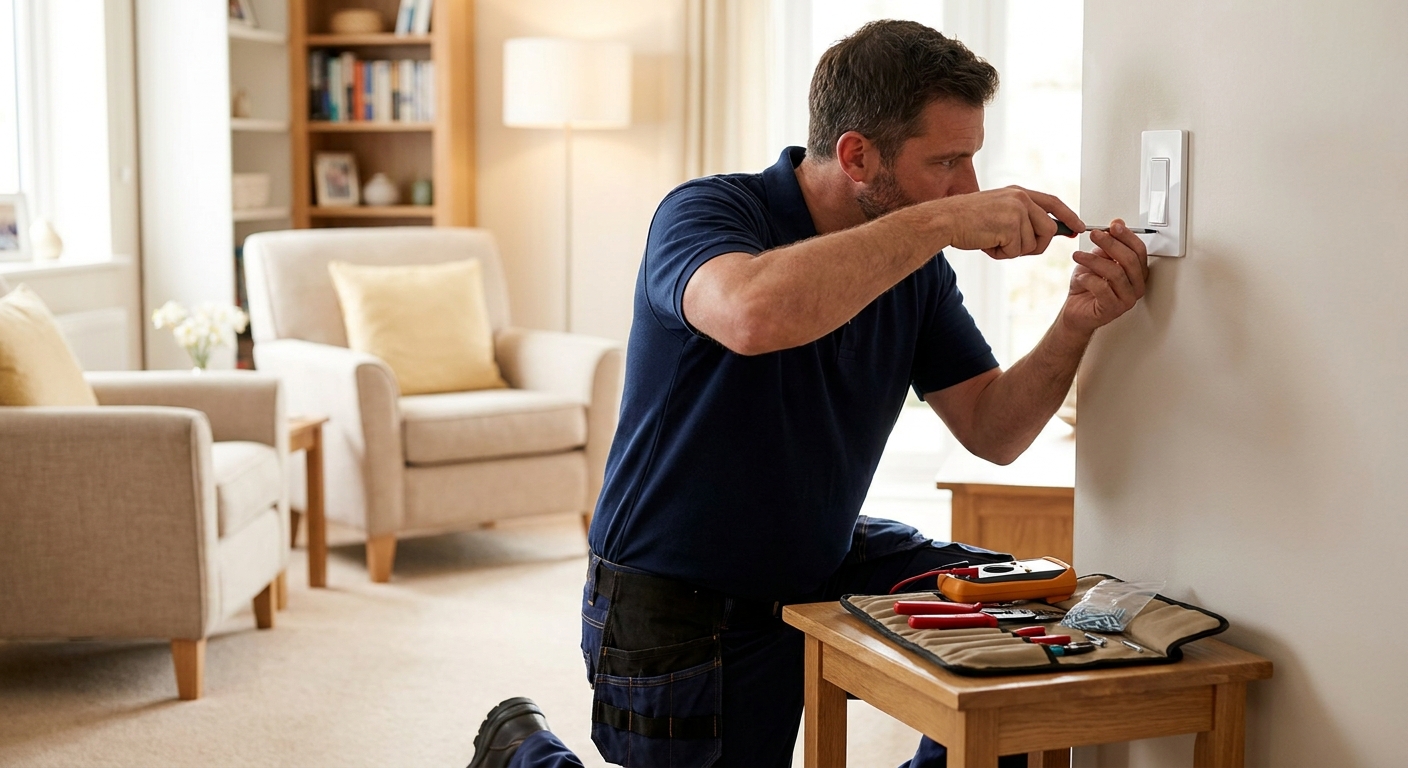
Key equipment and tools form the foundation of your service. You'll need a professional set of hand tools, including various screwdrivers, pliers, wire strippers, and a reliable drill. A voltage tester is crucial for electrical work, along with a multi-meter. For smart home specific needs, invest in a few popular smart hubs (e.g., Samsung SmartThings, Hubitat) and demo units of common devices like smart bulbs, smart plugs, and a voice assistant speaker. A reliable vehicle is indispensable for client visits, transporting equipment, and potentially carrying a small inventory. Factor in costs for vehicle maintenance and fuel.
Operational expenses will include business insurance, particularly general liability and professional indemnity, which is critical when working in clients' homes and handling technology. Legal fees for business registration and drafting service agreements are also necessary. Initial marketing efforts will require a professional website, business cards, and brochures detailing your services. Budget for a basic accounting software subscription (e.g., QuickBooks Self-Employed) and a scheduling tool. Finally, consider a small initial inventory of commonly installed smart devices to offer immediate solutions or for demonstration purposes, reducing reliance on clients purchasing everything beforehand. This initial investment positions you for professional service delivery and establishes credibility from day one.

Strategies for Acquiring Your First Clients
Securing your first few clients requires a targeted and proactive approach, especially in the initial 14 days of operation. Focus on building trust and demonstrating value within your local community. For your first three clients, direct outreach and networking will be paramount. Start by identifying local senior centers, assisted living facilities, and home health agencies in your service area. Schedule informational meetings with their administrators or social workers to explain your specialized service. These organizations are often looking for innovative solutions to support their residents and clients, and a referral partnership can be highly effective.
Simultaneously, connect with occupational therapists (OTs) and physical therapists (PTs) in local clinics. OTs, in particular, are experts in adaptive equipment and home modifications for seniors and are excellent referral sources. Present your service as a complementary offering that enhances their clients' independence. Offer to conduct a free informational session or workshop at these facilities, showcasing how smart home technology can transform daily living for seniors. Locally, ensure your business is listed on Google My Business with accurate information and compelling descriptions. Encourage early reviews from initial contacts or even friends/family who might experience a demo of your service.
For immediate traction, consider offering a limited-time introductory discount or a free initial home assessment to potential clients referred through your new network. This lowers the barrier to entry and allows you to demonstrate your expertise firsthand. Your goal for the first 14 days is to establish these key referral relationships and secure initial consultations, converting at least one or two into paying clients by focusing on empathy, clear communication, and the tangible benefits of your service.
Marketing Your Unique Value Proposition
Your marketing strategy must clearly articulate your unique value proposition, distinguishing your service from generic smart home installers. Emphasize your specialization: you are not just installing gadgets; you are enhancing independence and safety for seniors with mobility challenges. Your core message should revolve around the peace of mind you provide to both seniors and their caregivers. Highlight the practical benefits: effortless control over their environment, reduced risk of falls, and a greater sense of autonomy within their own homes.
Crucially, market the personalized aspects of your service. The large-font instruction cards and patient, one-on-one training are significant differentiators that address a common barrier to technology adoption among older adults. Use language that is reassuring, empathetic, and benefits-oriented, rather than technical jargon. Target your marketing efforts primarily towards adult children and family caregivers, as they are often the decision-makers and financial supporters for their aging parents. Utilize online channels such as Facebook and Instagram with targeted ads focusing on demographics interested in elder care and home solutions. Create content that shares success stories (with client permission), demonstrates device simplicity, and educates about the benefits of aging in place with smart technology.
Offline, continue building partnerships with organizations that serve the senior community. Host free educational workshops at local libraries, community centers, or senior living facilities, demonstrating practical applications of smart home tech. Develop a professional brochure that clearly outlines your services, pricing tiers, and testimonials. Your brand should convey reliability, compassion, and expertise, positioning you as the go-to specialist for senior smart home accessibility in your region.
Growth and Expansion Opportunities
Once your senior smart home accessibility business is established and generating consistent client flow, numerous avenues for growth and expansion become apparent. Consider diversifying your service offerings to include more advanced or complementary technologies. This could involve integrating smart security systems (door/window sensors, video doorbells, smart locks) to further enhance safety and provide peace of mind for families. Exploring smart health monitoring devices, such as fall detection systems, smart medication dispensers, or even integration with telehealth platforms, presents a natural extension of your mission to support senior well-being.
Geographic expansion is another clear path. As your reputation grows, you can gradually extend your service area to neighboring towns or counties. This might involve hiring and training additional technicians who embody your company's values of empathy and meticulous service. Developing a standardized training program and operational playbook would be essential for maintaining quality as you scale. For ambitious entrepreneurs, a franchising model could allow for rapid expansion across different states, leveraging local owner-operators while maintaining brand consistency.
Beyond services, you could explore curating or even developing proprietary products specifically designed for the senior market, addressing gaps not fully met by mainstream smart home devices. This might involve simpler interfaces, more robust physical controls, or specialized sensors. Collaborations with senior care product manufacturers or health tech companies could also open doors to new markets and innovative solutions. The key is to continually assess the evolving needs of the senior demographic and adapt your offerings to remain at the forefront of assistive technology.
Building a Business That Makes a Difference
At its core, the senior smart home accessibility business is more than just an installation service; it's a mission-driven enterprise focused on significantly improving the quality of life for older adults. By enabling seniors to maintain their independence and dignity within the comfort of their own homes, you are building a business that genuinely makes a difference. The emotional reward of seeing a client effortlessly control their environment with a simple voice command, or the gratitude from a family knowing their loved one is safer, can be incredibly profound.
To sustain this impact, prioritize ethical business practices, transparency, and unwavering customer trust. Every interaction, from the initial consultation to post-installation support, should reinforce your commitment to their well-being. Foster a culture of empathy and patience within your team, understanding that technology adoption can be a sensitive process for some seniors. By consistently delivering reliable service, personalized training, and genuine care, you will not only build a successful business but also establish a respected and invaluable community resource.
The market for senior-focused solutions is robust and growing, offering a stable foundation for long-term success. By combining technological expertise with a deep understanding of human needs, your senior smart home accessibility business can become a beacon of innovation, empowering seniors across the United States to live more comfortably, safely, and independently for years to come.
Want more practical business ideas for the US market?
👉 Follow us on Facebook for daily ideas and tips.
👉 Save ideas on Pinterest — or get them by email.
Note: Comments are being moderated and may take a while to appear. There is no need to resubmit your comment.