Microclimate garden planning consultant business idea for 2026
Want more practical business ideas for the US market?
👉 Follow us on Facebook for daily ideas and tips.
👉 Save ideas on Pinterest — or get them by email.
Turn idea into action
Calculate a business plan for this idea
Log in to generate a plan from this idea. We will reuse the article's niche and context; you only add your market location.
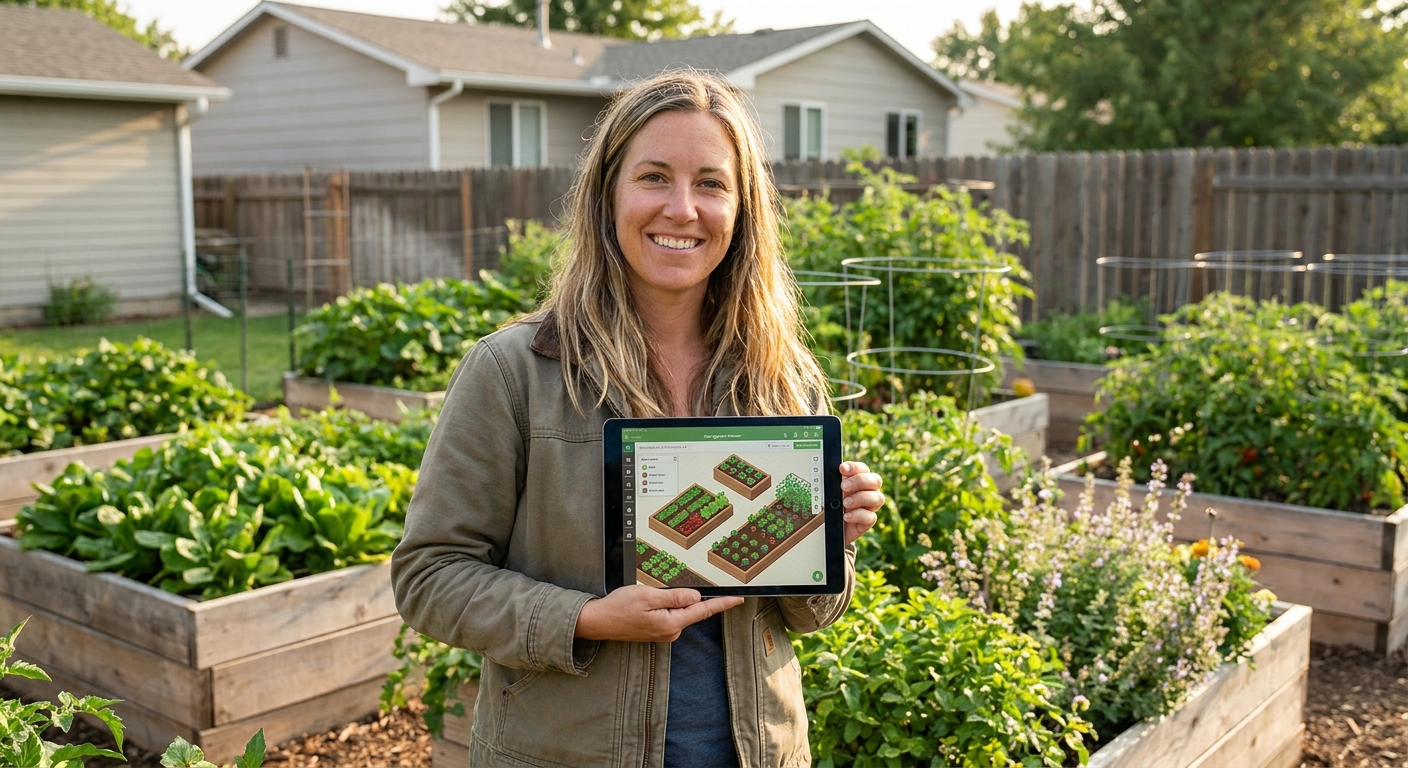
Log in to calculateThe home food production landscape is transforming, creating a unique business idea for 2026: the Microclimate Garden Planning Consultant. High US grocery prices drive more households to cultivate their own produce. This practical response often brings a steep learning curve for beginners. They struggle with soil, sun, and planting schedules, leading to frustration. Specialized digital guidance is invaluable, enabling consultants to demystify the process and ensure growing success.
Why Home Gardening is Booming in 2026
2026 is prime for home gardening. Persistent food inflation makes homegrown vegetables an attractive economic alternative. Beyond cost savings, there's a growing desire for food security and health benefits from fresh, organic ingredients. However, enthusiasm often outpaces expertise. Many aspiring gardeners lack foundational knowledge for a flourishing harvest, struggling with plant choices, soil amendments, and timing. This gap presents a significant market for informed, digital-first guidance.
What Exactly Does a Microclimate Consultant Do?
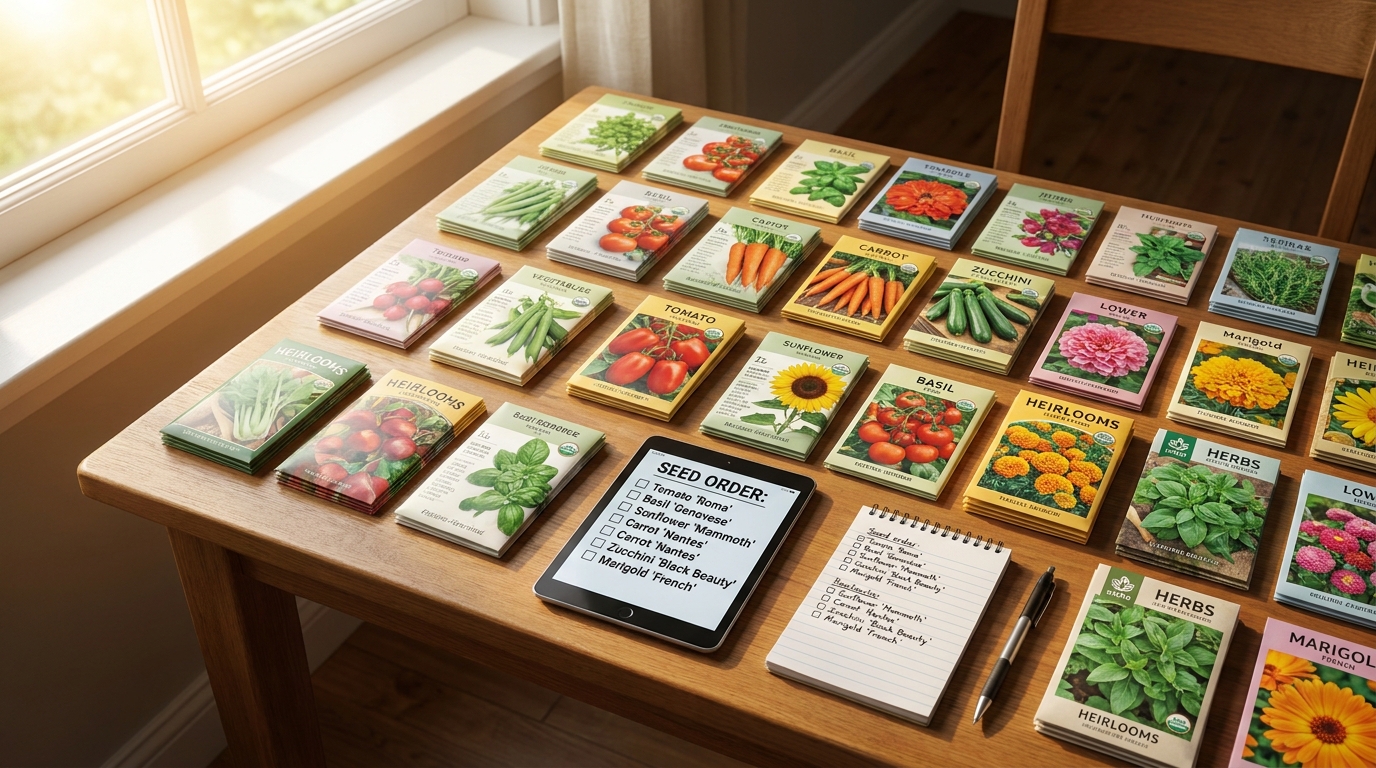
A Microclimate Garden Planning Consultant offers personalized, digital garden design. The core is a custom vegetable garden layout, crafted based on client property attributes: analyzing yard dimensions, local soil data, and precisely mapping neighborhood sun exposure. Deliverables include a detailed digital planting calendar tailored to their exact zip code, a customized seed purchasing list, and clear layout diagrams. This service eliminates guesswork, providing a step-by-step roadmap for a successful, productive garden.
Essential Tools and Initial Investment
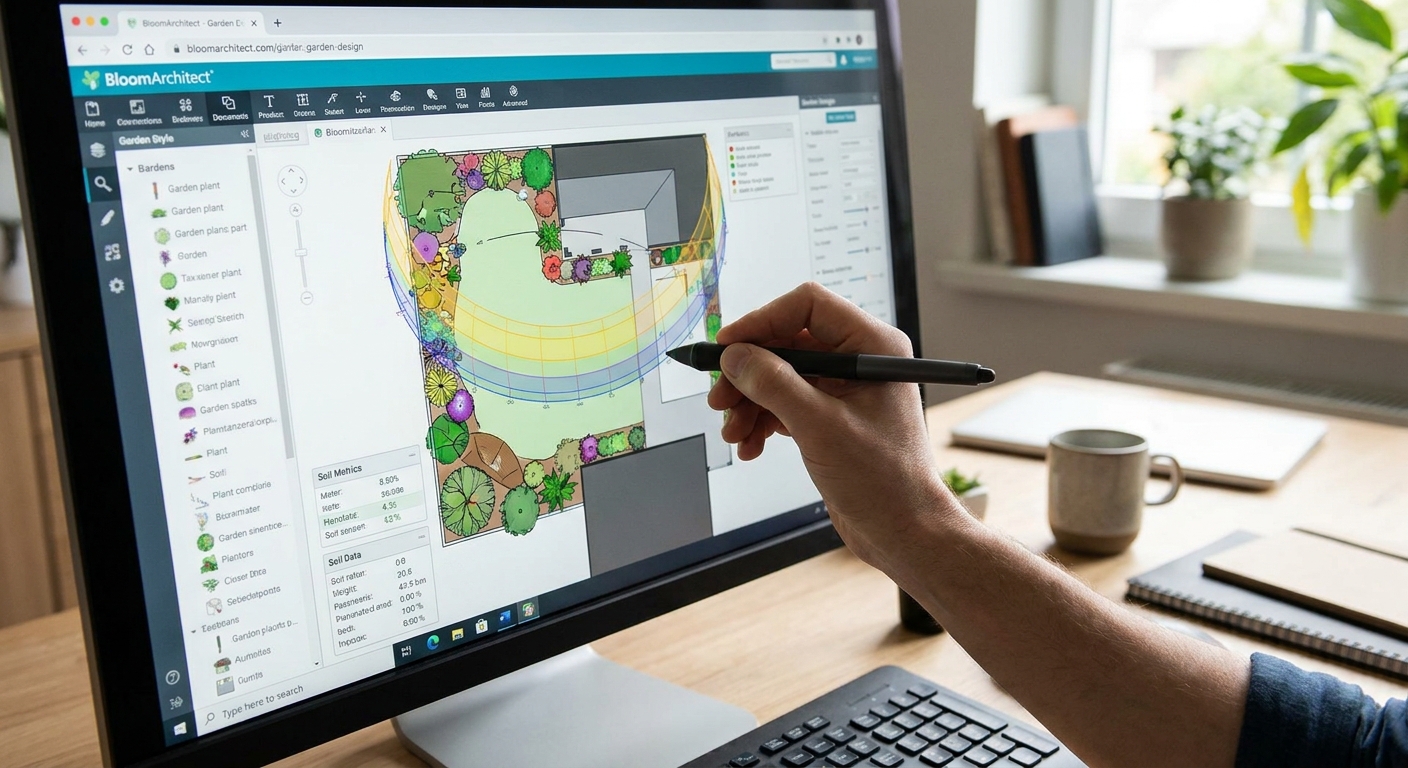
Launching this business requires lean initial investment, primarily digital infrastructure. Your core toolkit includes a reliable computer, high-speed internet, and software. For garden design, consider user-friendly CAD-like applications or dedicated garden planning software like SketchUp. Productivity suites like Microsoft 365 or Google Workspace are crucial for spreadsheets and communication. A professional website builder like Squarespace for your portfolio is vital. Initial investment for software subscriptions and basic website setup could range from $300 to $1,000 USD, making it accessible.
Your First Two Weeks: Setting Up for Success
The first two weeks are critical. Week One: Focus on legal/administrative setup. Register your business (e.g., sole proprietorship), open a business bank account, secure insurance. Build your online presence: establish a professional website or strong portfolio page showcasing sample garden designs. Research and compile reliable data for local climate, soil, and planting zones across US. Week Two: Refine service packages and pricing. Create compelling sample deliverables to demonstrate expertise. Set up initial marketing channels: professional profiles on LinkedIn, Facebook, and Nextdoor.
Finding Your First Clients: Strategies for the US Market
To secure first US clients, leverage local and online channels. Engage with local garden clubs, farmers' markets, and community forums, offering free introductory workshops. Use Nextdoor for services. Online, optimize your website for local SEO, targeting "garden planning consultant [city/state]." Consider targeted social media ads to reach homeowners interested in gardening within specific zip codes. Networking with local landscapers, real estate agents, and home improvement contractors generates valuable referrals.
Pricing Your Specialized Services
Pricing should reflect specialized knowledge and value. Avoid hourly rates; opt for project-based or tiered packages. A basic package (custom layout, planting calendar for small area) might cost $250-$450 USD. A premium package, offering multiple design iterations, comprehensive seed list, soil amendment recommendations, and follow-up, could range from $500-$900+ USD, depending on complexity. Emphasize long-term value: preventing costly crop failures and maximizing yields. Communicate benefits, positioning yourself as an investment in gardening success.
Growing Your Digital Garden Empire
Once established, scale your Microclimate Garden Planning Consultant business into a thriving digital empire. Expand reach beyond local clients by optimizing your online presence for national searches, offering virtual consultations across US climate zones. Develop digital products: downloadable garden templates, seasonal planting guides, or online courses. Explore affiliate partnerships with reputable seed companies, tool suppliers, or soil testing services. Building a strong brand through testimonials, case studies, and consistent content marketing (e.g., blog/YouTube) will solidify authority and attract new clients.
Want more practical business ideas for the US market?
👉 Follow us on Facebook for daily ideas and tips.
👉 Save ideas on Pinterest — or get them by email.
Note: Comments are being moderated and may take a while to appear. There is no need to resubmit your comment.