EV Home Charger Steward business idea for 2026
Want more practical business ideas for the US market?
👉 Follow us on Facebook for daily ideas and tips.
👉 Save ideas on Pinterest — or get them by email.
Turn idea into action
Calculate a business plan for this idea
Log in to generate a plan from this idea. We will reuse the article's niche and context; you only add your market location.
Log in to calculateThe Rise of the EV Home Charger Steward
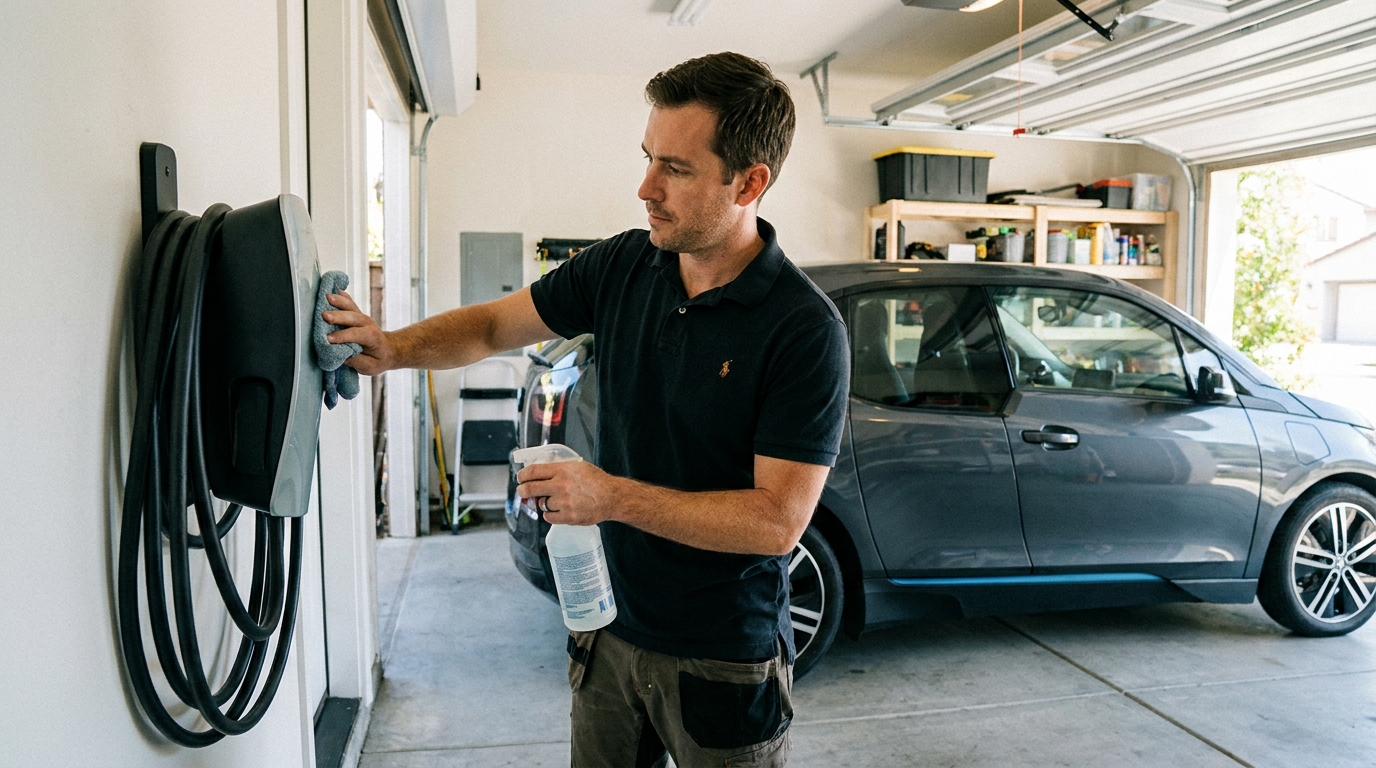
As electric vehicle (EV) adoption continues its rapid acceleration across the United States, a new and essential service opportunity emerges: the EV Home Charger Steward. This innovative business idea for 2026 addresses the growing need for specialized maintenance and care of residential EV charging stations. While the focus of EV ownership often centers on the vehicle itself, the charging infrastructure at home is equally vital for a seamless and efficient experience. Homeowners are increasingly investing in Level 2 chargers, which, like any other piece of electrical equipment, benefit significantly from regular upkeep to ensure optimal performance, safety, and longevity. The EV Home Charger Steward steps in as the dedicated professional, offering peace of mind and extending the life of this critical home utility.
The ubiquity of home charging has created a blind spot in the aftermarket service landscape. Unlike the EV itself, which receives regular dealer or certified mechanic attention, the home charger is often installed and then largely forgotten until a problem arises. This oversight can lead to premature wear, reduced charging efficiency, or even safety hazards. A dedicated steward service fills this gap by providing proactive care, transforming a potential liability into a reliable asset for EV owners. This business model is built on foresight, recognizing that as millions more EVs hit American roads, the installed base of home chargers will demand a professional, specialized maintenance solution.
Why 2026 is the Right Time for This Business
The year 2026 represents a crucial inflection point for the EV market in the USA, making it an opportune moment to launch an EV Home Charger Steward business. By this time, the initial wave of mass EV adoption will have matured, meaning a significant number of home charging stations installed between 2020 and 2024 will be approaching or exceeding their initial warranty periods. These early installations will begin to show signs of wear and tear from consistent use, exposure to elements, and general aging, creating a substantial demand for preventative maintenance and minor corrective services.
Furthermore, consumer awareness regarding the importance of infrastructure maintenance is steadily increasing. As EV owners become more experienced, they will recognize that just as their vehicle requires routine service, so too does the equipment that powers it daily. The market will be primed for a service that extends the life of their investment and ensures reliable operation. Currently, there is a distinct lack of specialized providers focusing solely on residential EV charger upkeep; homeowners often resort to general electricians who may not have specific expertise in charger diagnostics or preventative care, or they simply neglect maintenance altogether. This creates a wide-open market niche for dedicated stewards to establish themselves as the go-to experts in their local communities, capitalizing on a burgeoning need that is not yet saturated by competitors.
Services Offered: More Than Just Cleaning
The EV Home Charger Steward offers a comprehensive suite of services designed to ensure the optimal performance, safety, and longevity of residential EV charging stations. While basic cleaning is a component, the service extends far beyond, providing genuine value and technical expertise to homeowners. Core offerings include:
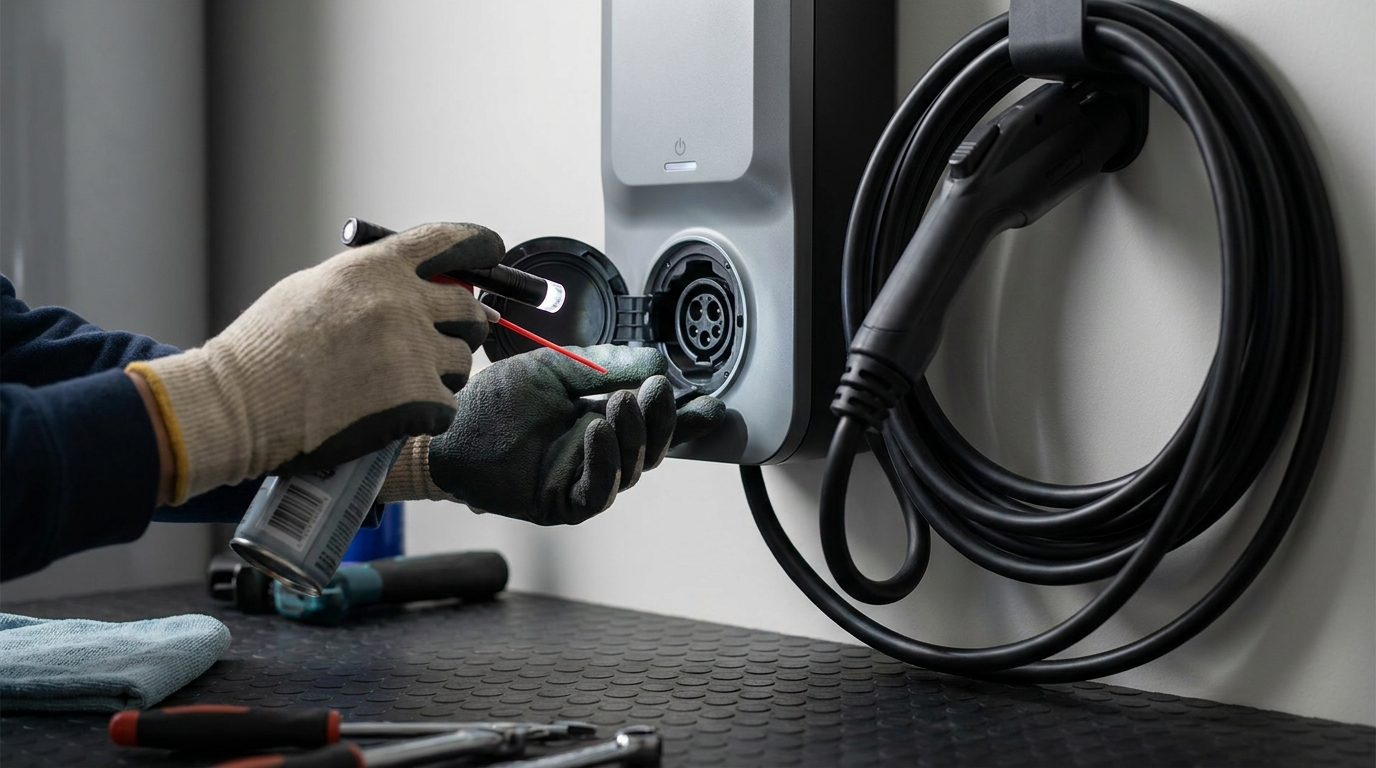
- **Thorough Cleaning and Inspection:** This involves meticulously cleaning the charger unit, cable, and connector from dust, grime, debris, and insect nests that can accumulate and potentially interfere with heat dissipation or connection integrity. A visual inspection covers the housing, mounting, and surrounding area for any signs of damage or wear.
- **Basic Diagnostics and Performance Checks:** Utilizing a multimeter and other basic diagnostic tools, the steward will verify proper voltage and amperage delivery, check indicator lights for error codes, and ensure the charging process initiates and terminates correctly. This proactive check can identify potential issues before they escalate into costly repairs or service interruptions.
- **Minor Maintenance and Adjustments:** This crucial aspect includes tightening loose mounting screws or brackets, inspecting and securing cable connections, and assessing the integrity of weatherproofing seals. Proper cable management, such as ensuring the cable is coiled correctly and not kinked or strained, is also addressed to prevent internal wire damage. The steward can also provide guidance on optimal placement for cable longevity and user convenience.
- **Weatherproofing and Environmental Assessment:** Given that many chargers are installed outdoors or in semi-exposed areas, the steward will inspect for proper sealing against moisture, UV damage, and temperature fluctuations. Recommendations for protective covers or minor adjustments to mitigate environmental exposure will be provided.
- **Safety Checks and User Guidance:** A critical component is ensuring the charger’s safety features are intact and advising homeowners on best practices for safe charging, proper cable handling, and understanding their charger’s specific features and error indicators. This empowers the homeowner and minimizes misuse.
By offering these detailed services, the EV Home Charger Steward provides invaluable preventative care, saving homeowners potential headaches and expenses down the line, while ensuring their primary EV energy source remains reliable and efficient.
Getting Started: Your Initial Investment & Steps
Launching an EV Home Charger Steward business requires a practical approach and a manageable initial investment, making it accessible for many aspiring entrepreneurs in the USA. This business is ideal for individuals with a strong aptitude for hands-on work, an eye for detail, and a commitment to customer service. While deep electrical engineering expertise isn't required for the basic services outlined, a foundational understanding of electrical safety and a willingness to learn about various EV charger models are crucial.
Your initial investment can be kept relatively low, focusing on essential tools, insurance, and basic marketing. A realistic startup cost range for a solo operator would be approximately $1,100 to $3,300, excluding the purchase of a dedicated service vehicle if you already own a reliable personal one. Here’s a breakdown:
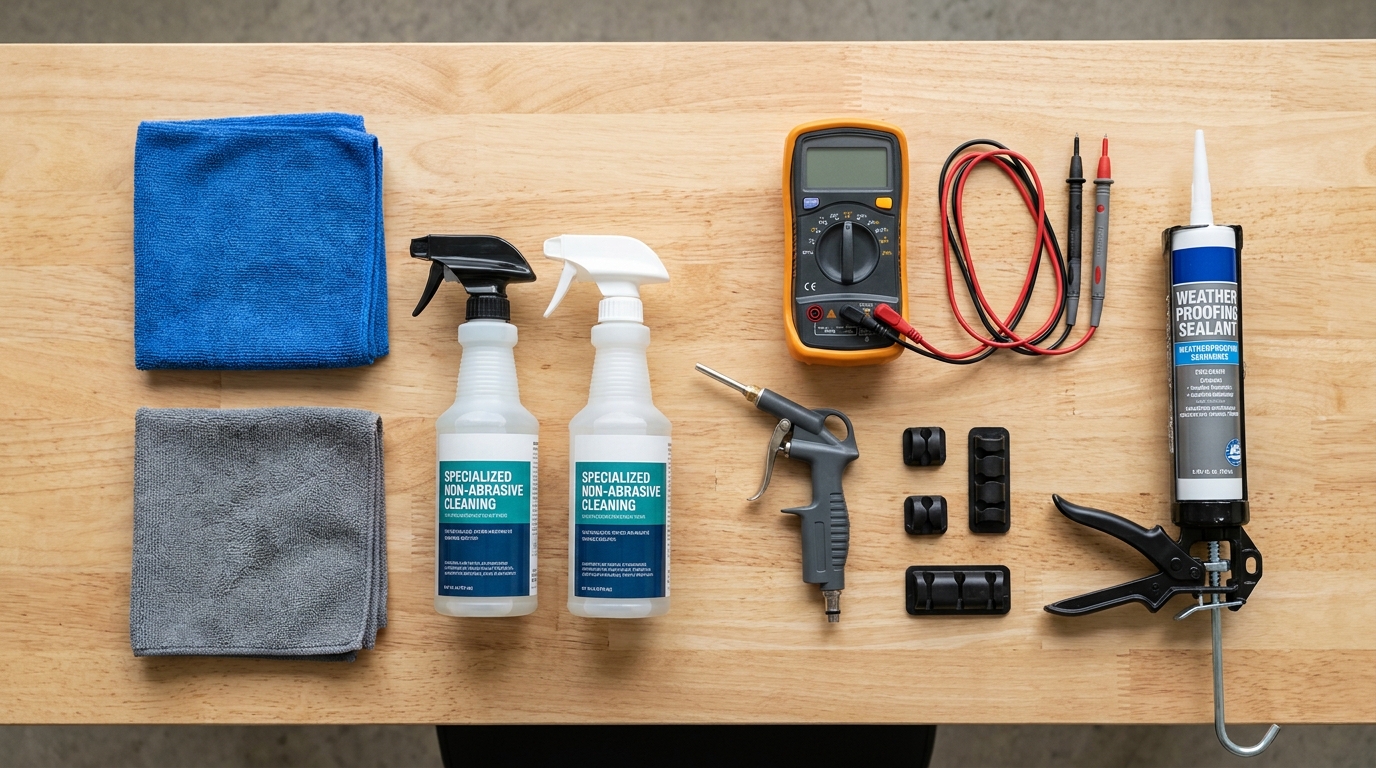
- **Essential Tools & Supplies ($200 - $500):** This includes a quality multimeter, various cleaning solutions (non-abrasive, electronics-safe), microfibers, cable ties, a basic hand tool kit (screwdrivers, wrenches), electrical tape, and potentially a small, portable vacuum.
- **Business Registration & Licensing ($100 - $300):** Costs associated with registering your business name (e.g., LLC, sole proprietorship) with your state, obtaining a local business license, and any necessary permits.
- **General Liability Insurance ($500 - $1,000 annually):** Absolutely critical to protect yourself from potential claims related to property damage or injury while on a client's property.
- **Basic Marketing Materials & Website ($300 - $1,000):** A simple, professional website (even a one-page site), business cards, and perhaps some initial local online advertising.
- **Optional Training/Certification ($0 - $500):** While not always mandatory for this specific service, taking a basic electrical safety course or a general EV charging technology overview can enhance your credibility and knowledge.
Your first 14 days should be highly productive. Begin by officially registering your business and securing the necessary insurance. Simultaneously, set up your foundational online presence – a simple website detailing your services, pricing, and contact information, along with profiles on key social media platforms like Facebook and Nextdoor. Procure all your essential tools and cleaning supplies. Dedicate time to developing detailed service checklists and establishing a clear pricing structure for your offerings. Finally, practice your service routine on your own charger or that of a trusted friend or family member to refine your process and ensure efficiency before engaging paying clients.
Finding Your First Customers in the USA
Securing your first few customers is paramount for any new business, and for an EV Home Charger Steward, leveraging local US marketing channels and community engagement will be key. Your initial focus should be on building trust and demonstrating value within specific neighborhoods.
To get your first three customers:
- **Targeted Local Online Engagement:** Start by actively participating in local online community groups. Platforms like Nextdoor are invaluable for reaching homeowners in specific neighborhoods. Join local Facebook groups dedicated to EVs or general community discussions. Post an introductory message detailing your service, highlighting the unique value proposition of maintaining home chargers, and perhaps offer a small introductory discount for the first few bookings. Be ready to answer questions and demonstrate your expertise.
- **Strategic Partnerships with Local EV Ecosystem Players:** Forge relationships with local EV dealerships. When a customer purchases an EV, the dealership often recommends home charger installers. Position your service as the ongoing maintenance solution for these new installations. Similarly, connect with local electricians who install home chargers; they might not offer maintenance themselves and could be a source of referrals. Home improvement contractors who work on garages or outdoor electrical systems could also be valuable partners. Offer them a referral fee for every client they send your way.
- **Direct Neighborhood Outreach in High-Density EV Areas:** Identify affluent neighborhoods or newer housing developments in your service area that are known for high EV adoption rates. Consider a targeted, professional door-to-door introduction (with business cards and a brief, compelling pitch) or direct mail flyers. Focus on areas where you observe multiple EVs and home charging stations. An introductory offer, such as a 20% discount on the first service, can be a strong incentive.
Emphasize the preventative aspect of your service – avoiding costly repairs and ensuring reliability – which resonates well with US homeowners who value long-term investments. Encourage early customers to leave reviews on Google My Business and other local platforms, as word-of-mouth and online reputation are powerful drivers for local service businesses in the United States.
Daily Operations and Scaling Your Service
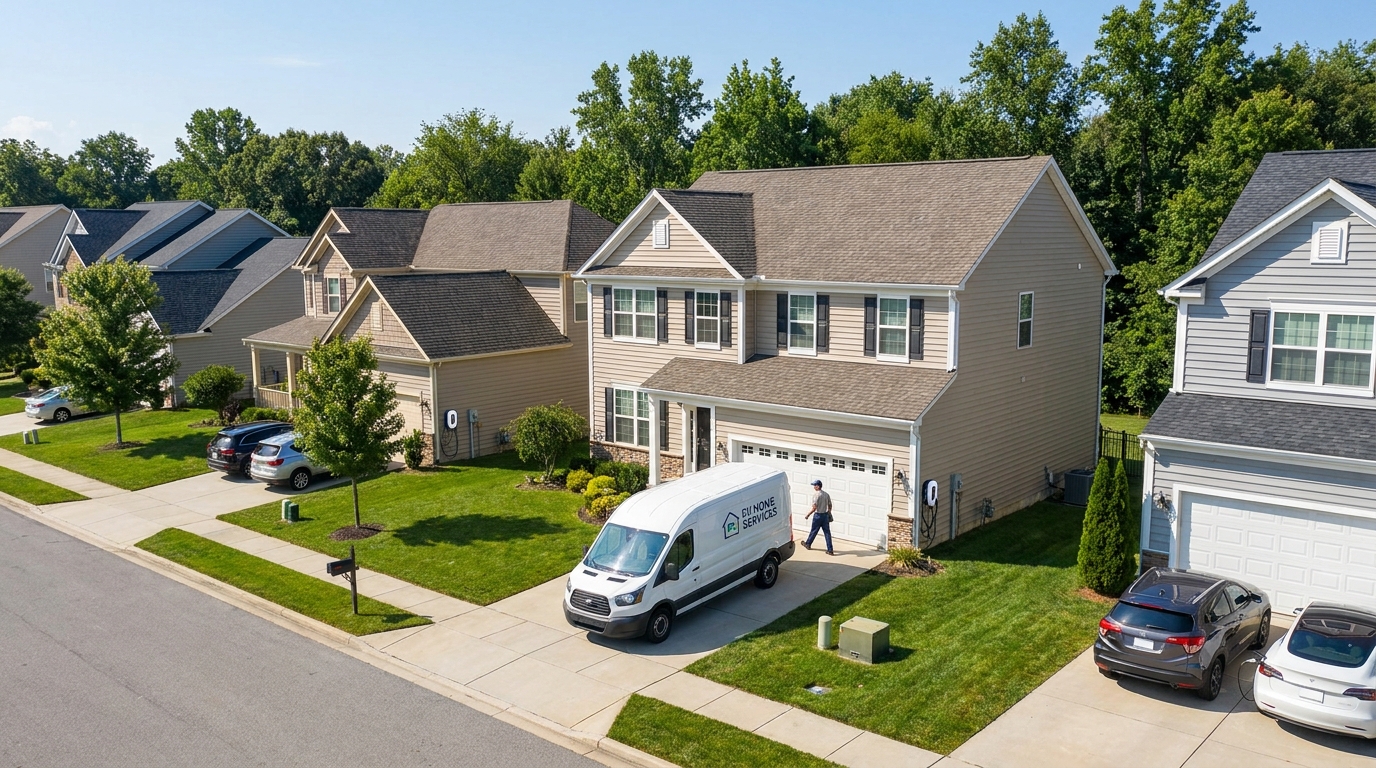
A typical day for an EV Home Charger Steward involves a structured approach to appointments, travel, service execution, and administrative tasks. Efficient scheduling and clear communication are vital. Your day might begin by reviewing your schedule, mapping out the most efficient routes to client locations, and ensuring your service vehicle is stocked with all necessary tools and supplies. Upon arrival at a client's home, you would conduct the thorough inspection and maintenance as outlined, documenting your findings and actions. Post-service, you'd process payments, issue invoices, and update client records. Follow-up communication, such as sending a detailed service report or scheduling the next maintenance, is also crucial for building long-term relationships.
Technology can significantly streamline your operations. Implementing a simple online booking system allows clients to schedule appointments conveniently, while a Customer Relationship Management (CRM) tool can help manage client information, service history, and communication. Basic accounting software will track income and expenses efficiently. For diagnostic purposes, a reliable multimeter and perhaps a thermal imager (for detecting hot spots, a more advanced tool for later expansion) would be your primary technical assets.
Scaling your EV Home Charger Steward business involves several strategic steps. Initially, you might expand your service area to reach a broader customer base. As demand grows, the next logical step is to hire and train additional technicians. Develop a comprehensive training program that covers service protocols, safety standards, and customer interaction best practices. To enhance revenue stability, consider offering tiered service packages, such as a basic annual check-up, a premium bi-annual service with advanced diagnostics, or even a full-service contract that includes priority scheduling. Developing a strong brand identity and consistently soliciting customer feedback will also be essential for sustained growth and market leadership.
Financial Outlook and Future Growth
The financial outlook for an EV Home Charger Steward business is promising, characterized by relatively low overhead and the potential for consistent, recurring revenue. Pricing strategy will be crucial for profitability and market penetration. A typical service visit, encompassing cleaning, basic diagnostics, and minor maintenance, could reasonably be priced between $75 and $150, depending on the scope of work, geographic location, and local market rates. Offering annual or bi-annual service contracts at a slightly discounted rate can create a stable stream of recurring income, fostering customer loyalty and predictability.
Given the low initial investment, a solo operator can achieve profitability relatively quickly. With a service fee of $100 per visit, completing just 10-15 services per week could generate a gross revenue of $1,000-$1,500, leading to a healthy profit margin after accounting for operational costs like insurance, fuel, and supplies. As the business scales and technicians are added, the revenue potential multiplies, allowing for significant growth.
Future growth avenues for an EV Home Charger Steward are diverse and exciting. As smart home technology evolves, there's potential to integrate services with smart home energy management systems, offering insights into charging patterns and optimization. Partnerships with EV charger manufacturers could lead to becoming an authorized service provider for warranty-aligned maintenance, opening up a broader customer base and enhancing credibility. Furthermore, with appropriate licensing and expertise, the business could expand into offering minor repair services for non-warranty issues, or even advising on charger upgrades and installations. The burgeoning EV market in the USA ensures that the demand for reliable, specialized home charging infrastructure maintenance will only continue to accelerate, positioning the EV Home Charger Steward for sustained financial success and expansion.
Want more practical business ideas for the US market?
👉 Follow us on Facebook for daily ideas and tips.
👉 Save ideas on Pinterest — or get them by email.
Note: Comments are being moderated and may take a while to appear. There is no need to resubmit your comment.